Start with gear that fits your trip and keeps you prepared
A camping trip can turn stressful when one small item is missing. A weak tent, flat torch, or thin sleeping bag may spoil the whole night. That is why we need to plan our gear before packing the car. This guide explains what to check, what to avoid, and how to pack with care. It also covers shelter, sleep gear, cooking tools, clothing, safety items, and smart storage. Choosing suitable items becomes easier when we use trusted advice, such as camping gear in Australia, to plan for local weather and ground conditions. Australia has warm beaches, cold hills, wet forests, and dry inland sites. One gear list will not suit every place. We need items that match the site, season, trip length, and number of campers. Good planning means less weight, fewer costs, and much better sleep.
Let’s be honest, nobody wants to spend the first hour fighting tent poles. You also do not want to learn that your sleeping mat leaks at midnight. This guide helps us avoid those small but painful mistakes. We will look at how to select useful gear without filling the car with things we never touch. We will also learn why comfort and safety matter more than fancy add-ons. Clear steps make shopping easier for new campers and regular travelers. They help us compare products based on use, size, strength, and ease of setup. A simple list also lowers the risk of leaving key items at home. With the right plan, we can spend less time fixing problems and more time enjoying the outdoors.
How to choose a tent that suits the site and weather
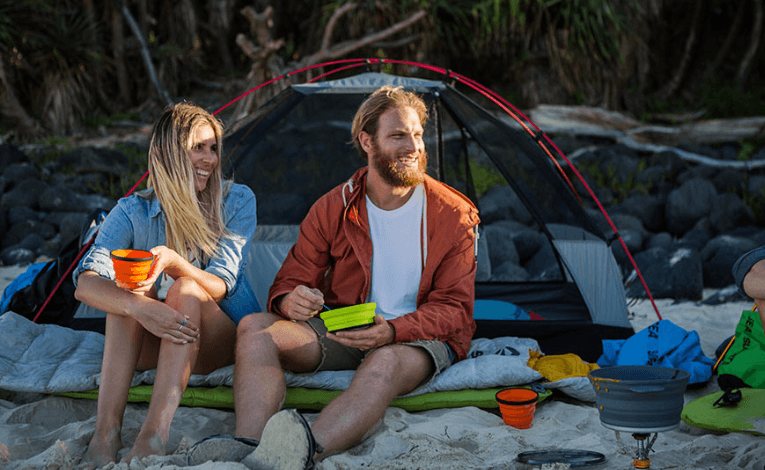
Your tent is your main shelter, so start with the right size. A two-person tent may feel tight for two adults and their bags. Pick a tent with space for people, bedding, and basic gear. Check the waterproof rating before buying, since light fabric may fail in steady rain. Strong poles and firm pegs also help during windy nights. You should test the full setup at home before the trip.
Look for these useful tent features:
- A rain cover that reaches close to the ground
- Mesh panels that allow fresh air inside
- Sealed seams that help stop water leaks
- A strong floor that blocks damp soil
- Easy clips or poles for quick setup
Choose a tent based on the site, not just the price. Beach camps may need sand pegs, while hard ground may need steel pegs. A tent with good airflow feels better during warm nights. Cold areas may need less mesh and more wind cover. Keep a small repair kit for torn fabric or broken poles. Pack the tent last, so you can reach it first when you arrive.
What sleeping and cooking gear should you pack first
A good sleep system needs three main parts. You need a sleeping bag, a mat, and a small pillow. Choose the sleeping bag based on the expected night temperature. A thick bag can feel too hot in summer. A light bag may leave you cold in the hills. The sleeping mat is just as important because cold ground pulls heat from your body.
Pack these sleep and cooking items:
- A sleeping bag with a suitable heat rating
- An insulated mat or firm air mattress
- A camp stove with enough safe fuel
- A pot, pan, cup, plate, and basic tools
- Clean water bottles and sealed food boxes
Your cooking kit should match the meals you plan to make. Simple meals need fewer pots, less fuel, and less cleaning. Check whether fires are allowed before packing firewood. Use a stable camp stove in a clear, open space. Keep food closed to stop insects and animals from reaching it. Store raw food away from ready-to-eat items. A small wash tub also makes cleanup quicker and keeps the campsite neat.
How to build a simple safety kit for outdoor travel
A safety kit helps you deal with small problems before they become serious. It should match your destination, weather, group size, and trip length. Keep each item in a dry, strong, and easy-to-open bag. Check the full kit before every trip and replace anything damaged or expired.
1. First aid supplies: Carry bandages, wipes, tape, gloves, and basic pain relief. Add any personal medicine you may need. Keep the kit dry and easy to reach.
2. Light and power: Pack a headlamp for each adult. Take spare batteries or a charged power bank. Test every light before leaving home.
3. Weather protection: Bring sunscreen, hats, rain jackets, and warm layers. Weather may change faster than expected. Dry clothes should stay inside sealed bags.
4. Navigation and contact: Download maps before entering areas with weak phone signals. Carry a paper map when visiting remote sites. Tell someone where you plan to camp.
Safety gear may look less exciting than a new chair or grill, but it matters more. You should also carry drinking water, insect spray, and an emergency blanket. Check local fire warnings before travel. Learn where the nearest town, ranger point, or medical center is located. Keep sharp tools and fuel away from children. A calm plan helps you act fast when something goes wrong.
See also: Using Map Guides Ttweakmaps From Traveltweaks Effectively
What packing habits make camping easier and less messy
Good packing starts with a list grouped by use. Keep shelter items together and cooking items in another box. Store clothing in soft bags that fit into small spaces. Place heavy gear low in the car to reduce movement. Keep water, first aid items, lights, and rainwear within easy reach. Labeling each box can save a lot of time at camp.
Use these packing habits:
- Pack only items linked to a planned task
- Use clear boxes for small tools and food
- Keep wet gear away from bedding and clothes
- Carry rubbish bags for waste and damp items
- Check every item while repacking after the trip
Avoid buying gear only because it looks useful. Ask how often you will use it and where it will fit. Items that serve two jobs can save both room and money. A small folding table, for example, can support cooking and food prep. Clean and dry all gear before storing it at home. This keeps mold, rust, and bad smells away. It also means your kit is ready for the next trip.
Get ready for a safer and more comfortable camping trip
The best camping setup is not always the biggest or most costly. It is the one that suits your site, weather, group, and travel plan. We can avoid many common issues by checking shelter, sleep gear, cooking tools, safety items, and storage before leaving. A clear list also helps us pack less while staying ready.
Start planning early and test every key item at home. Replace damaged gear, charge your lights, and review the weather before departure. Use this guide as your final packing check, then adjust it for your own trip. Prepare with care, pack with purpose, and make your next camping break safer, simpler, and far more enjoyable.