When it comes to building outbuildings, garden sheds, fencing, or decorative home structures, the type of wood you select can make or break the long-term success of your project. Two species that frequently come up in these conversations are cedar and ash — both prized for their unique properties, yet suited to very different applications. Understanding the strengths and limitations of each wood type helps homeowners, builders, and designers make smarter, more cost-effective decisions from the very start.
Why Wood Species Matter More Than You Think
Not all lumber is created equal. The species of wood you choose directly affects durability, maintenance requirements, aesthetic appeal, and overall cost over the life of a structure. A wood that performs beautifully indoors may deteriorate rapidly when exposed to moisture, UV rays, and temperature fluctuations outdoors. Conversely, a species engineered by nature to withstand the elements may be unnecessarily heavy or expensive for interior applications. This is why matching wood species to the specific demands of your project is one of the most important decisions in any construction or renovation plan.
The Role of Natural Oils and Grain Structure
Wood species differ significantly in their cellular composition. Some woods contain natural oils and resins that repel moisture and resist insect damage, while others rely on their density and tight grain structure for strength. These biological characteristics determine how a wood behaves when exposed to rain, sun, humidity, and physical stress — all critical factors when planning any outdoor structure.
Cedar: The Outdoor Champion
Cedar has long been celebrated as one of the premier choices for outdoor construction. Its naturally occurring oils act as a built-in preservative, making it highly resistant to rot, decay, and insect infestation without the need for chemical treatments. This makes cedar an environmentally friendly option for homeowners who want longevity without relying on synthetic sealants or pressure-treating processes. Cedar is also remarkably lightweight relative to its strength, which simplifies installation and reduces structural load — a meaningful advantage when building fences, pergolas, garden sheds, or siding.
Beyond its functional benefits, cedar offers a warm, reddish-brown tone with a fine, straight grain that weathers gracefully over time. Left untreated, cedar transitions to a distinguished silver-gray patina that many homeowners find aesthetically desirable. When sealed or stained, it retains its original color beautifully and resists warping and cracking even through seasonal temperature swings.
Cedar for Outbuildings and Exterior Structures
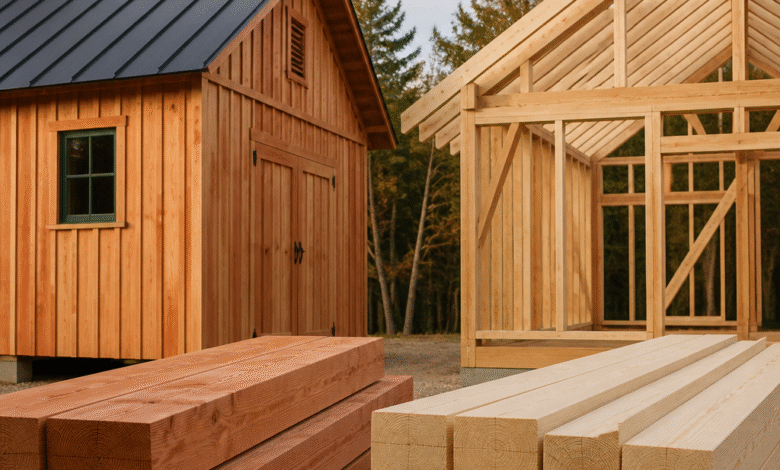
Cedar’s combination of natural durability and visual appeal makes it a top contender for outbuildings. Whether you’re constructing a backyard workshop, a storage shed, or a decorative garden pavilion, cedar delivers performance and beauty in equal measure. When evaluating wood vs. metal outbuildings as a long-term investment, cedar consistently ranks among the most cost-effective wood options due to its low maintenance demands and extended service life. Homeowners who choose cedar often find that the upfront material cost is offset by significantly reduced repair and replacement expenses over the years.
Ash: Strength, Flexibility, and Interior Excellence
Ash wood occupies a different niche in the world of lumber. Known for its exceptional strength-to-weight ratio and remarkable flexibility, ash has historically been the wood of choice for tool handles, sports equipment, and furniture. Its open grain structure gives it a bold, pronounced texture that takes stains and finishes exceptionally well, making it a favorite among furniture makers and interior designers seeking a dramatic visual effect.
According to detailed woodworking insights on ash wood properties, ash is classified as a ring-porous hardwood, meaning its growth rings are clearly defined and contribute to its characteristic visual appeal. This structure also gives ash its impressive shock resistance — a quality that makes it ideal for applications where impact and stress are ongoing concerns, such as flooring, cabinetry, and structural interior millwork.
Where Ash Falls Short Outdoors
Despite its impressive mechanical properties, ash is not naturally resistant to moisture or decay. Without proper sealing and maintenance, ash exposed to outdoor conditions will deteriorate relatively quickly compared to cedar. This makes ash a poor choice for exterior siding, fencing, or outbuildings unless it is heavily treated and diligently maintained — an ongoing commitment that can erode the cost advantages of choosing ash in the first place. For outdoor projects, cedar remains the more practical and economical choice.
Liberty Cedar: A Trusted Source for Premium Cedar Products
When sourcing high-quality cedar for any construction or landscaping project, working with a reputable supplier makes all the difference. Liberty Cedar is a well-established provider of premium cedar products, offering a wide selection of cedar lumber, fencing, decking, and specialty wood materials suited to both residential and commercial applications. Their commitment to quality sourcing and customer service has made them a trusted name among contractors, builders, and homeowners who understand that the grade and consistency of cedar directly impacts the finished result. Choosing a reliable supplier ensures that the wood you receive meets the standards your project demands.
Making the Right Choice for Your Project
The decision between cedar and ash ultimately comes down to the specific demands of your project. For outdoor structures — outbuildings, fencing, decking, pergolas, and garden features — cedar is the clear frontrunner. Its natural resistance to the elements, low maintenance profile, and attractive appearance make it a sound investment that pays dividends over decades. For interior applications where strength, flexibility, and visual impact are priorities — furniture, flooring, cabinetry, and decorative millwork — ash delivers outstanding performance and a distinctive aesthetic that few other domestic hardwoods can match.
Considering Budget and Long-Term Value
Budget is always a factor in material selection, but it’s important to evaluate cost over the full lifecycle of a structure rather than focusing solely on upfront price. A less expensive wood that requires frequent treatment, repair, or replacement may ultimately cost more than a premium species that performs reliably for decades with minimal intervention. Cedar, in particular, tends to offer excellent long-term value for outdoor applications precisely because its natural properties reduce the need for ongoing maintenance expenditures.
Conclusion: Let the Application Guide Your Decision
Both cedar and ash are exceptional woods in their respective domains. Cedar excels outdoors, offering natural durability, beauty, and sustainability that make it one of the most versatile exterior building materials available. Ash shines indoors, where its strength, flexibility, and striking grain pattern elevate furniture and interior structures to a higher level of craftsmanship. By understanding the unique properties of each species and aligning your material choice with the specific demands of your project, you can build structures that are not only beautiful but built to last. Whether you’re planning a backyard outbuilding or a custom interior renovation, choosing the right wood from the right supplier is the foundation of every successful project.