The Options
When a family brings a dog into a home without first thinking through daily care routines, the consequences show up everywhere—in worn furniture, disrupted sleep schedules, and pets that struggle to settle into their new environment. Left unaddressed, these small frictions compound over time, turning what should be a joyful addition to the household into a source of ongoing stress. The good news is that most of these problems trace back to a handful of decisions homeowners can make early on, long before a dog ever crosses the threshold.
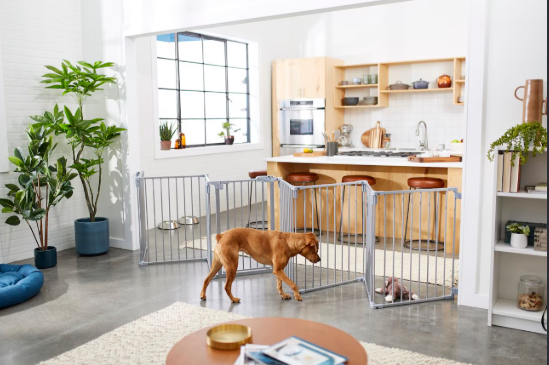
Homeowners generally choose from three broad approaches when setting up a space for a new dog. Some carve out a dedicated room or corner with washable flooring and durable furniture, treating the arrangement almost like a nursery designed for a small, energetic occupant. Others integrate the dog fully into shared living spaces, relying on training and consistent routines rather than physical barriers. A third group splits the difference, using baby gates, crate training, and rotating access to different rooms depending on the time of day. Each path carries tradeoffs in cost, effort, and how much the household’s existing decor has to change.
How to Evaluate
Deciding which setup fits a particular home starts with an honest look at daily habits, not just aesthetic preferences. Families who work long hours need routines that hold up without constant supervision, while those with someone home most of the day have more flexibility to experiment. Nutrition plays a bigger role in this evaluation than many homeowners expect, since a dog’s energy level, shedding, and even bathroom habits are tied closely to what it eats. Choosing good dog food early in the process can reduce the number of accidents, messes, and behavioral issues that otherwise force last-minute changes to furniture and flooring. Getting this piece right before finalizing a room layout saves both money and frustration down the line.
Beyond feeding, homeowners should evaluate durability of materials against the specific breed’s size and activity level, since a small, low-energy dog puts far less strain on a household than a large, active one. Flooring choices matter as much as furniture, and many families find that low-pile rugs or sealed hardwood hold up better than carpet in high-traffic pet zones. It also helps to think through how visitors, children, and other pets will interact with the dog’s designated spaces, since conflicting needs often surface only after the arrangement is in place. Testing a setup for a few weeks before committing to permanent changes, like built-in feeding stations or custom crates, gives a household room to adjust based on real behavior rather than assumptions.
See also: Life Story of About Datrihelminen Life
Making the Decision
Once the evaluation is complete, most households find that a hybrid approach delivers the best balance between structure and flexibility. Starting with a smaller, more contained setup and expanding a dog’s access as trust builds tends to work better than granting full run of the house from day one. This gradual approach also gives homeowners time to notice which decor choices actually hold up, rather than guessing based on how other people’s homes look. Households with more than one pet often find this staged approach reduces conflict, since animals have time to adjust to new boundaries individually rather than all at once.
Consulting outside guidance can also sharpen the decision, since firsthand experience only goes so far when a household is navigating a new routine for the first time. Resources like AKC dog care resources offer grounded information on training, health, and daily care that can inform how a home’s layout and routines evolve over the following months. Combining that kind of guidance with a clear-eyed look at a household’s own habits tends to produce arrangements that hold up well past the initial adjustment period. In the end, the homes that handle this transition smoothly are usually the ones that treated the planning stage as seriously as the decorating itself.