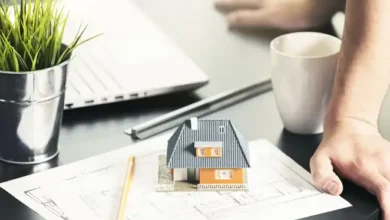
Here’s something most business leaders overlook: the physical workspace is quietly working for you, or against you, every single day. When employees push through back pain, tune out distracting noise, or sit under stale, recycled air, their output takes a hit. Not dramatically. Not all at once. Just steadily, invisibly, over weeks and months.
Workplace comfort upgrades aren’t luxuries reserved for tech campuses with ping-pong tables. They’re operational investments. Companies that take the physical environment seriously tend to keep people longer, get more done, and incur lower healthcare costs. Whether you’re overseeing fifteen people in a converted loft or managing multiple floors in a corporate tower, the space itself sets the ceiling on what your team can achieve.
Here’s a number worth sitting with: exposure to natural light can lift employee productivity by as much as 20% and increase well-being and creativity by 15%. That’s not a wellness talking point; that’s a business case.
The Workplace Comfort Upgrades That Actually Move the Needle
Better environments make people feel better. And people who feel better work harder, stay longer, and bring more to the table. It’s not complicated. But knowing where to start, that’s where most organizations stumble.
Let’s walk through the upgrades that deliver the most measurable, documented impact on both comfort and performance.
Productivity-Enhancing Office Upgrades That Actually Deliver
Once physical comfort is addressed, your attention should move to the sensory environment. Smart lighting systems designed to mirror natural daylight patterns help employees maintain energy and concentration across a full workday, not just during the morning hours.
One upgrade that consistently gets underestimated? commercial window replacement. This single improvement can simultaneously boost natural light penetration, regulate thermal comfort, and significantly reduce outside noise, all without requiring multiple separate projects. It’s one of the few upgrades that works on three fronts at once.
Ergonomic Office Improvements Every Business Should Prioritize
Before you think about lighting strategies or air quality systems, address the workstation. It’s the most immediate source of daily physical discomfort for most employees, and it’s often the most neglected.
Ergonomic office improvements, height-adjustable desks, chairs with genuine lumbar support, split keyboards, and monitor arms directly cut down on the strain that accumulates over hours of seated work. Modern AI-powered furniture systems can now self-adjust based on posture tracking data. Pair that with corrective accessories, and you’ve built a station that fits each individual rather than forcing everyone to adapt to the same rigid setup.
That shift alone changes how people feel by 3 PM.
Advanced Air Quality and Climate Control Solutions
The air inside most commercial buildings is more compromised than people realize. Poor ventilation quietly affects cognition, mood, and energy, long before anyone feels “sick.”
HEPA filtration systems, IoT-enabled HVAC units, and climate zoning that gives different teams control over their immediate environment all contribute meaningfully to a sharper, healthier workforce.
UV-C light disinfection and touchless air purification have matured into practical, cost-effective solutions, especially in open-plan offices where air circulates constantly among dozens of people. Clean air isn’t glamorous to talk about. But it absolutely shapes how people think and perform.
Workplace Wellness Enhancements for the Modern Office
Regulated temperatures and filtered air set a solid baseline. The most forward-thinking organizations, though, go further. Workplace wellness enhancements rooted in biophilic design, living walls, natural material surfaces, and thoughtfully placed indoor plants measurably reduce cortisol levels and help employees mentally reset during the day.
On-site amenities like nap pods, dedicated meditation rooms, and adaptable relaxation zones do something important beyond their functional value: they signal that the organization genuinely cares.
Flexible, reconfigurable furniture reinforces this by giving teams the ability to reshape their space based on task, mood, or team size. An office that adjusts to people rather than demanding people adjust to it? That’s a retention tool as much as a comfort one.
Office Productivity Improvement Tips with Technology Integration
Biophilic design creates the right tone and atmosphere. Pairing it with smart technology is what allows that comfort to actually scale.
Desk booking software, occupancy sensors, and employee wellness platforms give teams real-time visibility and control over their environment. The numbers reflect where business investment is already heading: the global office glass partitions market was valued at $4.8 billion in 2025 and is projected to grow at a CAGR of 6.7% through 2034.
Among the most actionable office productivity improvement tips available today, use digital workplace analytics to understand how spaces are actually being used, then redesign around observed behavior rather than assumptions.
Innovative Upgrades That Push Beyond the Obvious
Foundational upgrades set the stage. But the organizations consistently ahead of the curve are layering in innovations that transform a comfortable office into a genuinely responsive one.
Personalized Workspace Controls and Smart Automation
App-controlled lighting, temperature adjustment, and desk height give employees something they rarely get at work: real agency. Wearable technology integrations can take this further by adjusting ambient settings automatically based on biometric data.
These aren’t just impressive features. They eliminate the low-grade friction of an environment that never quite feels right, and that friction, compounding silently over months, is a real productivity drain.
Sustainable and Eco-Friendly Upgrades for Office Comfort
Smart personalization becomes significantly more valuable when it’s also built for sustainability. LED lighting retrofits, solar blinds, green roofing, and water-efficient fixtures reduce environmental footprint without compromising anyone’s comfort level.
Investing in commercial window replacement with advanced glazing technology delivers measurable thermal benefits year-round, keeping interiors warmer in winter, cooler in summer, and quieter throughout, while driving meaningful reductions in long-term energy costs. Sustainability and comfort, in this case, pull in exactly the same direction.
Collaborative Technology and Seamless Hybrid Work Experiences
Eco-conscious upgrades future-proof the physical space. But sustaining productivity across distributed and hybrid teams requires equally deliberate technology investment. Interactive digital whiteboards, AI-assisted meeting transcription, and purpose-built quiet focus zones make hybrid work genuinely functional, not just theoretically possible.
Bookable collaboration areas with proper acoustic shielding give teams the ability to pivot between deep-focus work and group brainstorming without pulling everyone’s concentration apart in the process.
Budget-Friendly Strategies for Meaningful Workplace Upgrades
A limited budget is not an excuse to do nothing. Thoughtful prioritization and a phased rollout can generate significant, lasting improvements even for organizations working with constrained resources.
High-Impact, Low-Cost Improvements
Task lighting, ergonomic keyboards, and simple monitor risers are genuinely effective and surprisingly affordable. Even a community-driven plant initiative or a few well-placed greenery installations can shift the atmosphere in a room without requiring significant spending.
Small changes build momentum. Employees notice them, and that noticing, that visible evidence that leadership is paying attention, matters more than most executives expect.
Phased Upgrade Approaches for Growing Companies
Quick wins are valuable. But lasting transformation requires a proper roadmap. Audit current workspace usage honestly, run employee surveys, identify the areas, breakout zones, meeting rooms, and communal areas with the highest potential ROI, and prioritize those first.
Expand in structured cycles. Keep employee feedback at the center of every decision, not as an afterthought at the end of each phase.
Measuring Whether Your Upgrades Are Actually Working
Investment without measurement is just spending. Tracking the right metrics is what turns comfort upgrades into documented, defensible business outcomes.
The Metrics and Tools Worth Tracking
Occupancy sensors tell you which upgraded spaces are being actively used, and which ones aren’t earning their keep. Employee satisfaction surveys fill in the human experience behind those usage numbers.
ROI analysis should reach beyond productivity metrics. Reduced absenteeism, lower healthcare utilization, and improved retention are all measurable outcomes tied directly to comfort investment. They’re worth quantifying explicitly.
Building a Culture of Continuous Improvement
Data reveals what’s working. Culture determines whether organizations actually act on it. Involve employees in upgrade decisions, establish annual refresh cycles, and test new ideas in limited zones before committing to full-scale implementation.
The companies with the best workplaces didn’t arrive there through a single renovation project. They built a habit of listening carefully and adjusting honestly.
See also: What Are the Latest Tech Trends in Smartwatches?
Comparing Workplace Upgrades: A Practical Overview
| Upgrade Type | Cost Level | Productivity Impact | Best For |
| Ergonomic chairs & desks | Medium | High | All workstations |
| Commercial window replacement | Medium–High | Very High | Natural light & acoustics |
| Acoustic panels | Low–Medium | High | Open-plan offices |
| Smart lighting systems | Medium | High | Circadian rhythm support |
| Biophilic design elements | Low–Medium | Moderate–High | Stress reduction |
| HEPA air filtration | Low–Medium | Moderate | Health & cognition |
| Desk booking software | Low | Moderate | Hybrid teams |
What It All Comes Down To
Your workplace is either helping your team or quietly holding them back. There’s rarely a neutral middle ground.
From ergonomic improvements and smarter lighting to cleaner air and genuine wellness features, every upgrade is an investment in the people who actually do the work. You don’t need a sweeping, expensive renovation to make meaningful progress. Modest, phased changes, done thoughtfully, with real attention to what employees experience daily, deliver genuine returns in morale, health, and output.
Start with what your team feels most acutely. Fix it properly. Then keep going. The best workplaces aren’t built in one sprint; they’re shaped through consistent care and a long-term commitment to the people inside them.
Frequently Asked Questions
Which comfort upgrades offer the fastest ROI for growing businesses?
Ergonomic accessories, task lighting, and acoustic panels deliver the fastest returns. They’re affordable, immediately noticeable, and reduce the physical discomfort that quietly drains focus and productivity every single day.
Can office comfort upgrades help with employee recruitment and retention?
Absolutely. A well-designed, comfortable workspace signals that a company values its people, which matters deeply to candidates and directly influences whether existing employees stay long-term.
What sustainable upgrades double as comfort improvements?
You can achieve both sustainability and comfort through commercial window replacement with advanced glazing, combined with LED lighting and smart HVAC systems; these upgrades lower energy use while also improving thermal comfort, access to natural light, and the total air quality throughout the office.