The Problem
Winter light displays across North Texas often fail because homeowners underestimate the electrical and structural demands of outdoor installation. Ladders, extension cords, and timers seem simple until a sudden windstorm rearranges an entire roofline of bulbs. Many families spend an entire weekend untangling strands only to discover half the set no longer works. The frustration compounds when temperatures drop and outdoor work becomes uncomfortable or unsafe. This is especially true in North Texas, where humidity and sudden cold fronts can affect adhesives and wiring in ways rarely seen in milder climates. What begins as a festive project can quickly turn into a source of stress rather than celebration.
Safety concerns rank among the most serious issues homeowners face during this process. Standing on a ladder in cold, windy conditions increases the risk of falls, and improperly grounded wiring can create fire hazards inside walls or attics. Insurance claims related to holiday decorating injuries rise every December, a pattern documented in seasonal safety reports. Even minor injuries, such as a sprained ankle from a fall off a step stool, can disrupt holiday plans and add unexpected medical costs. Beyond the physical risk, poorly planned displays often draw complaints from neighbors or homeowners associations. The combination of hazard and hassle discourages many people from decorating at all.
The Approach
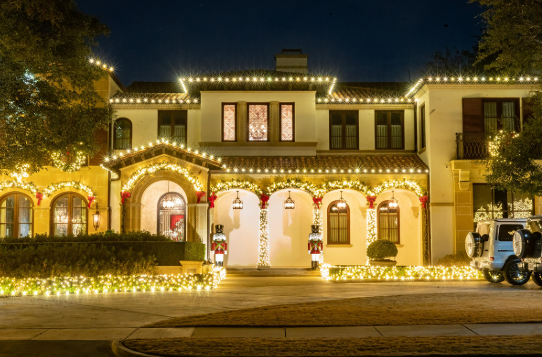
A growing number of homeowners now turn to specialists rather than attempting the work themselves. Companies that provide christmas and holiday lighting installation in North Dallas handle everything from design consultation to teardown, removing the guesswork from the process. Their crews arrive with commercial-grade lighting, proper ladders, and insured technicians who understand how to secure fixtures against wind and ice. This level of specialization also means faster completion times, since crews are not learning on the job but repeating well-practiced routines night after night. Because these teams work through the season daily, they recognize which materials hold up in Texas weather and which fail within weeks.
The process typically starts with a walkthrough of the property to map rooflines, trees, and landscaping features. Designers then propose a layout that balances visual impact with practical mounting points, avoiding gutters or shingles that could be damaged. Installation crews return at the end of the season to remove everything and store it properly, so homeowners avoid tangled boxes in the garage each January. Some providers also offer subscription-style contracts that automatically renew each year, giving homeowners consistent displays without needing to re-plan the project annually. This end-to-end service model has become popular among busy families who want the look of a professionally decorated home without the labor.
See also: About Datrihelminen Life
What to Look For
Homeowners evaluating installation companies should ask about insurance coverage and worker safety training before signing any contract. A reputable provider will explain how they secure ladders, inspect wiring, and manage extension cords running near walkways. Attention to these details mirrors the kind of safety guidance found in CDC health and wellness resources, which emphasizes reducing fall and injury risk during seasonal home projects. It also helps to ask how technicians handle unexpected repairs mid-season, since a quick response can prevent a display from going dark for weeks. Companies that take safety seriously usually document their protocols and share them without hesitation.
Pricing structure matters as well since some companies charge separately for design, installation, and removal while others bundle the full service. Ask whether the quote includes maintenance visits in case a strand fails mid-season, since replacing bulbs on a two-story home without help can be dangerous. Photos of past projects and references from local clients offer a reliable way to judge craftsmanship before committing. Clear communication about timelines for installation and removal also reduces the chance of confusion once the season ends. A company willing to walk through timelines, materials, and contingency plans in plain language demonstrates the kind of transparency worth paying for.