The Problem
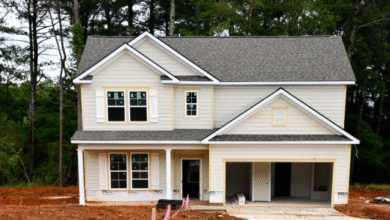
A house can look flawless on move-in day and still conceal serious structural issues beneath its polished surfaces. Fresh paint, new flooring, and carefully chosen furniture often mask problems that have little to do with style and everything to do with construction quality. Homeowners frequently pour thousands of dollars into design choices before realizing that cracked drywall or uneven floors point to something far more serious than cosmetic wear. This gap between appearance and structural reality often surprises even experienced homeowners who assumed a professional build meant a defect-free build. By the time these signs become obvious, the underlying defect may have been developing for years.
Foundation settling, water intrusion, and improper framing rank among the most common culprits behind these hidden problems. Small cracks along baseboards or windows often get dismissed as normal aging, yet they can signal shifting soil or a compromised foundation. Moisture stains on ceilings or walls suggest failed flashing or poor drainage, both of which worsen quickly once ignored. Sloped floors, sticking doors, and gaps between walls and trim frequently trace back to the same root causes. Left unaddressed, these issues can compromise both the safety and the resale value of a home.
The Approach
When a defect appears serious enough to threaten a home’s integrity, homeowners benefit from bringing in specialists who can identify the cause rather than simply patch the symptom. Many disputes between homeowners, builders, and insurers hinge on technical evidence that only a trained eye can interpret correctly. This is where construction defect expert witness services becomes valuable, since these professionals can trace a problem back to its origin, whether that means faulty grading, substandard materials, or code violations during construction. Their assessments often carry weight in negotiations or legal proceedings because they rely on measurable evidence rather than guesswork.
A thorough evaluation typically starts with a detailed inspection of the property, followed by review of original construction documents, permits, and any prior repair history. Photographs, moisture readings, and structural measurements get compiled into a report that explains what went wrong and why. This documentation gives homeowners a clear record to reference when working with contractors or filing claims. Insurance adjusters and legal teams tend to take these reports more seriously than informal contractor opinions, since the findings are grounded in documented measurements rather than assumptions. Skipping this step often leads to repairs that address surface symptoms while leaving the true defect intact, which means the same problem tends to resurface within a year or two.
See also: Life Story of About Datrihelminen Life
What to Look For
Homeowners do not need construction training to notice early warning signs worth investigating. Doors and windows that suddenly stick, cracks that widen over a season, or floors that feel uneven underfoot all deserve a closer look. Musty odors, peeling paint near baseboards, and recurring condensation on walls often point to moisture problems hiding behind the finished surface. Even small details, like a faint crack that reappears after repainting, often indicate that the underlying cause was never actually resolved. Paying attention to these small changes before they escalate can save significant money and stress later.
Indoor air quality and moisture control matter for more than the structure itself, since prolonged dampness and mold exposure can affect the health of everyone living in the house. Organizations such as the CDC health and wellness resources offer guidance on how indoor mold and moisture relate to respiratory health, which underscores why structural defects should never be treated as a cosmetic afterthought. Combining a careful visual inspection with professional evaluation gives homeowners a fuller picture of both safety and livability. A home that looks beautiful on the surface should also stand solidly beneath it, and taking these signs seriously protects both the investment and the people living inside it.