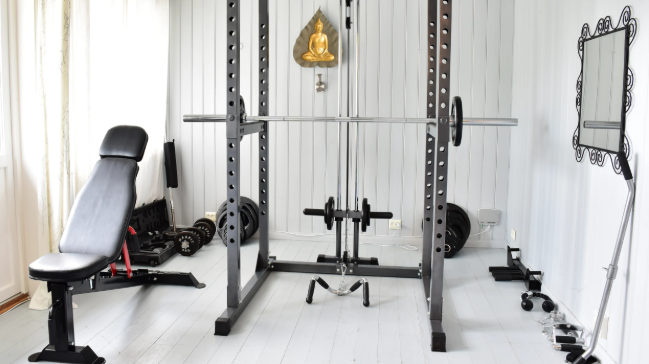
What Most People Get Wrong
Picture a spare bedroom that used to hold a treadmill nobody touched after the first month. The equipment gets pushed against the wall, a yoga mat rolls into the closet, and the space slowly turns into storage for things that don’t belong there. This happens because people design home gyms the way they’d decorate a living room, choosing equipment for how it looks rather than how it fits their actual routine. A rowing machine photographed well in a magazine spread does nothing if nobody uses it three times a week.
Another common mistake involves ignoring the practical demands of a workout space, like flooring that can absorb impact or ventilation that keeps a small room from turning stuffy after ten minutes of cardio. People buy dumbbells and resistance bands, then discover the carpet dents under the weight rack or the room heats up faster than expected. Lighting gets overlooked too, since a dim corner might look moody in photos but makes it harder to see form in a mirror during a workout. These small oversights add up until the space feels unpleasant enough to avoid.
What Actually Works
A home workout area that actually gets used tends to be smaller and simpler than the ones people initially imagine. A folded mat, a set of adjustable dumbbells, a sturdy mirror, and decent lighting cover most strength and mobility needs without requiring a dedicated room. Storage matters more than square footage, since equipment left out in the open eventually competes for space with laundry baskets or seasonal decor. Homeowners who succeed with this setup usually start by testing a routine for a few weeks before buying anything permanent, which keeps the investment proportional to actual habits rather than aspirations.
For people who aren’t sure whether a home setup will hold their interest, it helps to compare the upfront cost against what a membership actually offers before spending on equipment. Reading through a breakdown of affordable gym memberships and what they include gives a clearer sense of what’s included at different price points, from access hours to class options, which makes the home-versus-gym decision less abstract. Some people find the accountability of a physical location outweighs the convenience of working out at home, while others prefer skipping the commute entirely. Either choice works, provided it matches how a person actually behaves rather than how they intend to behave.
Whatever setup a person chooses, the amount of activity matters more than the setting it happens in. The ACSM physical activity guidelines recommend at least 150 minutes of moderate activity per week, along with muscle-strengthening work on two or more days, and that target doesn’t change based on whether the workout happens in a spare bedroom or a commercial gym. Home spaces work well for consistency because they remove travel time, but they only help if someone actually shows up to the mat or the rack regularly. A well-designed corner means little without a plan tied to these kinds of benchmarks.
See also: About Datrihelminen Life
How to Apply This
Anyone converting part of a home into workout space should start by measuring the area honestly, accounting for ceiling height if jump rope or overhead movements are part of the plan. A rubber mat or interlocking foam tiles protect flooring and reduce noise, which matters in apartments or homes with rooms below. Storage solutions like a slim shelf or a closet bin keep equipment out of sight when it’s not in use, which helps the space double as a guest room or office without feeling cluttered. Lighting fixtures that mimic daylight make the area more usable during early mornings or evenings when natural light is limited.
Once the physical space is set up, the harder part is building a routine that actually uses it consistently, which usually means scheduling workouts the same way one would schedule any other appointment. Reassessing the space every few months helps catch problems early, whether that means adding better ventilation or admitting the corner isn’t getting used and needs a different purpose. Small adjustments based on real use patterns tend to matter more than any single piece of equipment purchased at the start.