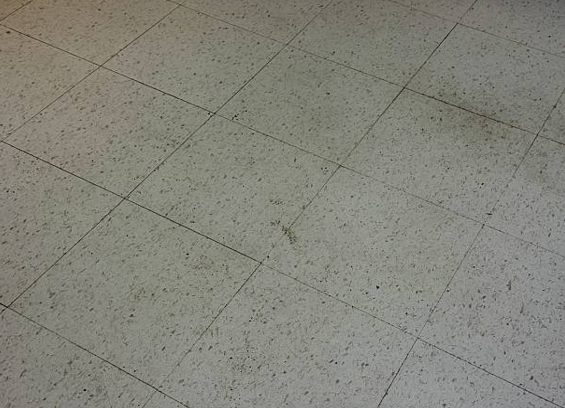
Asbestos floor tiles and the adhesives used to install them may still be present in older residential, commercial, and industrial buildings. While these materials may not always pose an immediate risk when left undisturbed, they can become hazardous if damaged during renovation, demolition, or repair activities. Proper handling is essential to help reduce the potential release of asbestos fibers into the air.
THE HAZMAT TEAM understands the importance of following safe asbestos abatement practices that prioritize the health of building occupants and workers while supporting compliance with applicable regulations.
Identifying Potential Asbestos-Containing Materials
It is not always possible to determine whether floor tiles or adhesives contain asbestos through visual inspection alone. Many older flooring materials closely resemble products that do not contain asbestos. Before beginning renovation or demolition work, the materials should be properly evaluated to determine whether asbestos may be present.
Avoid disturbing suspected asbestos-containing flooring until an appropriate assessment has been completed. Breaking, sanding, grinding, or removing flooring without proper precautions may increase the risk of airborne asbestos fibers.
Safe Work Practices During Asbestos Abatement
When asbestos-containing floor tiles or adhesives require removal, the work should be performed using controlled procedures designed to minimize fiber release. Careful preparation of the work area, proper containment methods, and specialized equipment all contribute to a safer abatement process.
THE HAZMAT TEAM follows established asbestos abatement procedures that focus on controlling contamination throughout the project. Containment systems and appropriate work practices help prevent asbestos fibers from spreading to surrounding areas during removal activities.
Proper Containment and Cleanup
Effective containment is an essential part of asbestos abatement. Isolating the work area helps reduce the possibility of asbestos fibers migrating into occupied spaces. Throughout the project, debris and waste materials should be handled carefully and managed according to applicable requirements.
Thorough cleanup using appropriate methods is equally important after the removal process has been completed. Proper cleaning helps prepare the area for future restoration while supporting a safe transition to the next phase of the project.
The Importance of Professional Asbestos Abatement
Asbestos removal requires specialized knowledge, training, and strict adherence to established safety procedures. Attempting to remove suspected asbestos-containing flooring without the proper experience and equipment can increase the risk of unnecessary exposure.
THE HAZMAT TEAM provides professional asbestos abatement services for residential, commercial, and industrial properties. By following recognized safety practices throughout every stage of the project, the team works to help manage asbestos hazards responsibly while protecting occupants, workers, and surrounding areas.
Supporting Safer Renovation Projects
Whether a property is undergoing remodeling, renovation, or demolition, addressing asbestos-containing floor tiles and adhesives with appropriate care is an important part of the process. Professional asbestos abatement helps reduce potential exposure risks, supports regulatory compliance, and prepares the property for future improvements with safety as the primary focus.
This article was written by a professional at THE HAZMAT TEAM. Count on your asbestos abatement contractor serving Orange County, California, including Garden Grove lead paint removal. THE HAZMAT TEAM provides reliable removal services with confidence, compliance, and expert care.