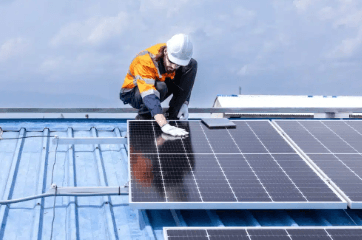
Solar panel technology has matured significantly over the past decade. Panel efficiency is up, inverter reliability has improved, and installation practices are more standardized than they were in the early residential solar boom. But the problems that plagued early adopters haven’t disappeared entirely — they’ve just become less common and more concentrated in specific failure modes.
Understanding where installation problems still occur helps homeowners ask the right questions before signing a contract.
Roof Assessment Failures
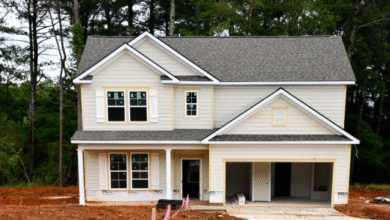
The most persistent solar panel installation problems that still apply today often trace back to inadequate roof assessment before installation. Panels are designed to last 25 to 30 years. If the roof under them needs replacement in 10 years, the panels have to come off and go back on — at significant cost.
Reputable installers assess remaining roof life before recommending installation and, in some cases, recommend a roof replacement as part of the solar project. Installers who skip this step are setting up their customers for a problem they’ll deal with years later.
Shading Analysis Shortcuts
Shading is one of the most significant factors in solar system performance, and it’s one of the easiest to underestimate. Trees grow. Neighboring buildings go up. A system that performs well at installation can significantly underperform five years later if shading conditions change.
The Solar Energy Industries Association recommends that homeowners ask installers for a detailed shading analysis using modeling software rather than a visual inspection alone. The analysis should account for seasonal sun angle variations and include projections for any nearby trees that haven’t reached full height.
Permitting and Interconnection Delays
The permitting and utility interconnection process is the part of solar installation that most frequently extends timelines beyond initial estimates. Permitting requirements vary significantly by jurisdiction, and some utility interconnection queues have extended wait times in high-adoption markets.
Ask your installer for a realistic timeline that includes permitting and interconnection — not just physical installation. A quality installer will have a clear picture of current timelines in your jurisdiction and won’t quote you an optimistic scenario that doesn’t account for regulatory delays.
See also: Top Bed Trends for 2025 in UAE Home Interiors
Monitoring and Warranty Gaps
A solar system should come with production monitoring that gives you visibility into actual output versus projected output. Systems that underperform their projections by more than 10 to 15 percent sustained over a quarter warrant a service call. Know what your installer’s response time commitment is before you sign — and make sure the warranty terms are clearly documented.