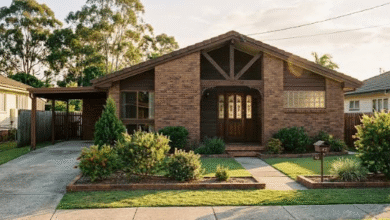
Buying a newly constructed home is an important decision that involves financial planning, property research, and careful evaluation. For buyers who want a modern home without managing the construction process themselves, spec homes can be an attractive option. These properties are built by developers or builders based on their expectations of what local buyers will want, rather than being designed from the beginning for one specific customer.
Spec homes may offer modern layouts, new materials, updated fixtures, and the convenience of moving into a completed or nearly completed property. Buyers can often inspect the actual home before making a final decision, which can make it easier to understand the layout, finishes, and overall appearance.
However, purchasing a spec home still requires careful consideration. Buyers should evaluate the property’s location, construction quality, price, warranty coverage, expected maintenance, and suitability for their long-term needs. A newly built home is not automatically the right choice simply because its materials and systems are new.
Understanding the key factors before making an offer can help buyers make an informed decision and avoid unexpected costs after moving in.
Understand What a Spec Home Is
A spec home is a property that a builder constructs without having a specific buyer committed to the design from the beginning. The builder makes decisions about the floor plan, materials, features, and finishes based on local market demand and the intended selling price.
Because the builder selects the specifications in advance, buyers may have fewer opportunities to customize the property than they would when commissioning a custom-built home. Depending on the stage of construction, some selections may still be possible, but major changes may be difficult or expensive.
One advantage is that buyers can often see what they are purchasing. If the home is completed, they can walk through the rooms, evaluate the natural light, examine storage, and understand how the spaces connect.
Before proceeding, buyers should confirm whether the property is complete, nearly complete, or still under construction. This affects the inspection process, the expected move-in date, and the types of decisions that may remain available.
It is also useful to understand the difference between the builder’s advertised features and the items actually included in the purchase price. Some photographs may show optional upgrades or furnishings that are not part of the sale.
Evaluate the Location Carefully
Location can influence convenience, resale potential, and long-term satisfaction. Before purchasing a spec home, buyers should consider how the property fits their daily routines and future plans.
Important factors include commuting distances, access to public transportation, nearby shops, healthcare services, schools where relevant, parks, and other facilities. Buyers should also examine road access, parking arrangements, neighborhood noise, and the general condition of surrounding properties.
It is worth visiting the neighborhood at different times of day. Traffic, noise, parking availability, and activity levels may change between morning, afternoon, and evening. A location that seems peaceful during a weekend visit may feel different during a weekday commute.
Buyers should also investigate planned developments that could affect the area. New roads, commercial projects, or public facilities may improve convenience, while certain developments could increase traffic or change the character of the neighborhood.
No location guarantees future appreciation. Buyers should avoid relying solely on claims that a neighborhood’s value will increase. Instead, they should assess current conditions, available comparable sales, and their own practical needs.
Compare the Asking Price With Similar Properties
A spec home should be evaluated against comparable properties rather than judged only by its appearance or advertised features.
Buyers can research recently sold homes with similar sizes, layouts, locations, and conditions. Comparing completed sales can provide a more useful indication of market value than relying exclusively on current asking prices.
The comparison should account for differences in land size, parking, energy efficiency, finish quality, outdoor space, and included appliances. A home with a higher asking price may offer meaningful advantages, but those differences should be examined carefully.
Buyers should also calculate the total cost of ownership. In addition to the purchase price, they may need to budget for taxes, insurance, utility connections, association fees where applicable, moving costs, furnishings, and ongoing maintenance.
If the purchase requires a mortgage, the buyer should consider interest rates, loan fees, monthly payments, and other financial obligations. A property may be affordable at the advertised price but become difficult to manage once all related expenses are included.
Comparing several homes and preparing a realistic budget can help buyers avoid making a decision based on presentation alone.
Inspect the Construction Quality
New construction can provide the benefit of modern materials and systems, but buyers should not assume that every newly built home is free from defects.
A professional inspection can help identify visible concerns involving the roof, foundation, exterior drainage, windows, doors, electrical systems, plumbing, heating and cooling equipment, and interior finishes. The appropriate inspection scope depends on the property, its stage of completion, and local requirements.
Buyers should pay attention to signs of moisture, uneven surfaces, poorly fitted doors, cracked finishes, inadequate drainage, or unfinished work. Some issues may be minor, while others may require further investigation by a qualified specialist.
If the home is still being constructed, buyers should ask whether an inspection can be arranged before completion and whether there will be an opportunity to document outstanding items. For a completed home, an inspection before closing may provide time to discuss significant findings with the builder.
The inspection report should be reviewed carefully. Buyers should ask questions when findings are unclear and obtain specialist advice when necessary. An inspection cannot guarantee that every hidden or future problem will be identified, but it can reduce uncertainty and support better decision-making.
Review the Builder’s Reputation
The builder’s experience and record can influence the purchasing experience, the quality of construction, and the handling of problems after the sale.
Buyers should research the company, examine completed projects where possible, and look for information about its business history and customer service. References from previous buyers may provide insight into communication, workmanship, and the builder’s response to concerns.
It is also useful to confirm that the builder holds any licenses, registrations, or approvals required in the relevant location. Requirements vary by jurisdiction, so buyers should check the rules that apply to the specific property.
Online reviews can be helpful, but they should not be treated as the only source of information. Buyers should look for recurring patterns rather than focusing on a single positive or negative comment.
Questions about spec home construction methods, materials, completion dates, and warranty procedures should receive clear answers. A professional builder should be willing to explain the property’s specifications and provide the documents needed to evaluate the purchase.
See also: Verified Tech Number 0570095999 Trusted Corporate Support
Understand What Is Included in the Sale
Marketing materials may show a fully furnished room, premium appliances, decorative lighting, landscaped outdoor areas, or other features that are not necessarily included in the final sale.
Buyers should request a written list of included items. This may cover appliances, fixtures, flooring, landscaping, fencing, parking arrangements, storage, and other features relevant to the property.
If an item is important to the buyer, it should be confirmed in the purchase agreement rather than assumed from photographs or verbal statements.
Buyers should also clarify the condition in which the property will be delivered. For example, the builder may need to complete landscaping, repair cosmetic defects, remove construction debris, or finish certain installations before handover.
A clear written agreement helps both parties understand their responsibilities and reduces the risk of disputes.
Check Warranties and Required Documentation
New homes may come with warranties or other protections covering particular construction elements, materials, or systems. The details vary according to the builder, the contract, the property, and local law.
Before purchasing, buyers should ask for the applicable warranty documents and understand what is covered, how long coverage lasts, and what exclusions apply. They should also learn how to report a defect and whether specific procedures or deadlines must be followed.
A warranty should not be treated as a substitute for a professional inspection. Some issues may not be covered, and coverage can depend on how a problem develops or whether the homeowner follows required maintenance procedures.
Buyers should also review permits, approvals, completion certificates, inspection records, and other documentation required for the transaction. The exact documents depend on local regulations and the type of property.
If legal or contractual language is unclear, an independent property lawyer or other qualified professional can help explain the obligations and protections involved.
Consider Energy Efficiency and Future Maintenance
Energy efficiency can affect comfort and operating expenses. Buyers should ask about insulation, windows, ventilation, lighting, heating and cooling equipment, and the expected performance of installed systems.
Where available, energy ratings or documentation can help buyers compare properties. However, the usefulness of these documents depends on local standards and the information they provide.
Maintenance is another important consideration. Even a new home requires routine care, including servicing equipment, cleaning drainage systems, checking seals, and maintaining exterior surfaces.
Buyers should ask which materials and systems have been installed and whether manuals or maintenance recommendations will be provided. They should also consider the availability and cost of replacement parts or specialist services.
A property that is easy to maintain may be more convenient over time than one with complicated finishes or specialized systems that require expensive servicing.
Understand the Purchase and Financing Process
Before making an offer, buyers should understand the steps involved in the transaction. These may include reservation agreements, deposits, mortgage approval, valuation, inspections, final documentation, and closing or handover.
The process can vary depending on local law and whether the property is complete or still under construction. Buyers should confirm which payments are refundable, which deadlines apply, and what happens if financing or completion is delayed.
Mortgage buyers should obtain clear information about the loan amount, interest rate, repayment schedule, fees, and conditions. They should avoid assuming that a preliminary approval guarantees final financing.
The builder’s financing arrangements may also affect the project’s completion or sale process, but buyers should focus on the terms that apply to their own purchase and confirm any relevant details independently.
Before signing, buyers should read the contract carefully and seek professional advice where necessary. Important matters include the final price, completion date, included features, remedies for delays, inspection rights, and procedures for resolving disputes.
Decide Whether the Home Fits Your Long-Term Needs
A property should meet more than immediate preferences. Buyers should consider how their needs might change over the next several years.
Questions about storage, accessibility, household size, work arrangements, outdoor space, and transportation can help determine whether the layout will remain suitable.
For example, a household that expects to work remotely may need a quiet office area. Buyers planning for a growing family may value additional bedrooms or adaptable living space. Those expecting to downsize may prefer a simpler layout with manageable maintenance requirements.
Resale potential may also matter, particularly for buyers who expect to move in the future. Practical layouts, convenient locations, reasonable operating costs, and broad buyer appeal can be useful considerations, Although builderfinance.com future resale values are never guaranteed.
The goal is to find a home that meets current needs while offering reasonable flexibility for future changes.
Conclusion
Spec homes can offer buyers the convenience of a newly constructed property without requiring them to oversee the entire building process. Modern layouts, updated systems, and the opportunity to inspect a completed home may make these properties attractive.
However, a successful purchase requires more than choosing an appealing design. Buyers should evaluate location, compare market prices, inspect construction quality, research the builder, review included features, understand warranties, and calculate the full cost of ownership.
Careful preparation can help buyers make an informed decision and reduce the likelihood of unexpected expenses. Understanding the principles of spec home construction also helps buyers ask better questions and assess the decisions that influence a property’s quality and value.
By combining independent research with professional advice when needed, buyers can approach the purchase of a spec home with greater confidence and a clearer understanding of what they are buying.