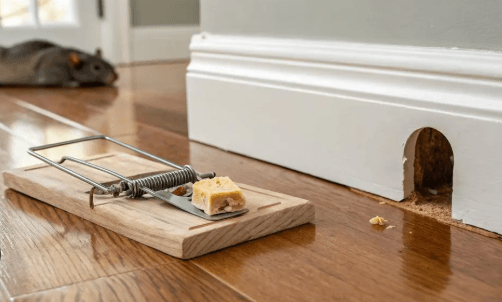
It is a common situation in many homes. Bait stations are installed, rodent activity drops, and it feels like the problem is finally under control. Then, a few weeks or months later, scratching sounds return, droppings reappear, and the same areas show fresh signs of activity. This creates real frustration because the initial rodent control approach seemed effective, yet the results did not last. In most cases, the issue is not the bait itself but how it is being used. When bait stations remain in the same position for too long, their effectiveness gradually declines, allowing rodents to adapt and avoid them altogether.
How Rodents Interact With Bait Stations
Rodents are not random in their behaviour. They follow consistent movement patterns, travelling along walls, edges, and established pathways between shelter and food sources. Research shows that rats and mice prefer familiar routes and rarely explore open spaces unless necessary.
They are also cautious feeders. When a new object appears in their environment, they may avoid it initially. Even when they do begin feeding, they remain alert to changes. Over time, rodents learn which locations are safe and which ones to avoid. This means bait stations only work effectively when they align with these natural movement patterns. If placed correctly, rodents will encounter them regularly. If not, they will simply bypass them.
Why Fixed Bait Placement Becomes Ineffective
Leaving bait stations in the same location for long periods reduces their impact. Rodents adapt quickly to their environment. If a bait station becomes part of the background, they may stop interacting with it altogether.
Another issue is changing movement patterns. Rodents do not always follow the same routes forever. Environmental factors such as new food sources, weather changes, or disturbances inside the property can alter how they move. A bait station that was once positioned along an active pathway may no longer intercept rodent activity at all.
There is also the issue of familiarity. Rodents can become wary of areas where they previously encountered bait or danger. This behavioural shift means static placement does not keep up with their evolving habits. As a result, bait consumption decreases, and the overall pest management strategy gradually weakens.
The Importance of Rotation and Repositioning
Rotating and repositioning bait stations is essential for maintaining effectiveness. This approach ensures that bait remains aligned with current rodent activity rather than past behaviour. By moving bait stations periodically, you increase the chances of intercepting new movement paths. Rodents exploring alternative routes are more likely to encounter bait when its location changes. This disrupts their sense of familiarity and reduces avoidance behaviour.
Repositioning also helps maintain bait freshness and visibility within their environment. Even though bait is protected inside stations, its effectiveness depends on rodents encountering it in the right place. Studies show that placement near active runways, walls, and feeding zones significantly improves success rates. In simple terms, rotation keeps the strategy dynamic, while fixed placement allows rodents to adapt.
Common Mistakes in Bait Station Use
Many homeowners unknowingly reduce the effectiveness of their pest control efforts through small but critical mistakes. One of the most common is leaving bait stations untouched for long periods. Without regular checks, it is impossible to know whether rodents are feeding or avoiding them.
Another issue is poor placement. Stations positioned in low-activity areas will not attract rodents, regardless of the bait used. Rodents tend to stay close to walls, corners, and hidden pathways, so stations placed in open areas are often ignored.
Ignoring signs of movement is another key problem. Droppings, gnaw marks, and grease trails indicate active pathways. If bait stations are not adjusted based on these signs, they quickly become ineffective.
Finally, relying only on bait without addressing environmental factors such as food sources or entry points limits long-term success. Baiting alone cannot compensate for underlying issues, which is why a broader rodent infestation approach tends to deliver stronger, longer-lasting results.
See also: The Timeless Language of Flowers in Home Décor
How to Maintain Long-Term Control
Effective rodent management requires ongoing attention rather than a one-time setup. Regular monitoring is essential to understand how rodents are interacting with bait stations. This includes checking bait consumption, inspecting for new activity, and identifying changes in movement patterns.
Adjusting placement based on these observations ensures the bait remains relevant. Moving stations closer to active areas, entry points, or newly discovered pathways improves results significantly. Combining baiting with exclusion methods is also important. Sealing entry points, reducing access to food, and managing waste all contribute to reducing rodent pressure. Bait stations should be part of a broader strategy rather than the only solution.
Consistency is the key factor. A flexible approach that adapts to changing conditions will always outperform a static setup, particularly when rats and mice prevention is the long-term goal.
Conclusion
When bait stations are left in the same position for too long, their effectiveness naturally declines. Rodents adapt, change their behaviour, and begin avoiding familiar locations. This is why a system that worked initially can fail over time. The solution is not more bait, but a better strategy. Regular rotation, repositioning, and monitoring ensure that bait stations remain effective. Long-term control depends on staying one step ahead of rodent behaviour rather than allowing them to adjust to a fixed environment.
FAQs
Why do rodents stop taking bait? Rodents may stop feeding if they become familiar with the bait location, if their movement patterns change, or if alternative food sources are available.
How often should bait stations be moved? Bait stations should be checked regularly and repositioned whenever there are signs that rodent activity has shifted or bait consumption has slowed.
Where should bait stations be placed? They should be placed along walls, near entry points, and in areas where signs of rodent activity, such as droppings or gnaw marks, are present.
Can rodents become resistant to bait? In some cases, rodents may develop behavioural resistance by avoiding baited areas rather than becoming chemically resistant.
What are the signs that bait stations are ineffective? Lack of bait consumption, continued droppings, and ongoing noise or sightings indicate that the current placement is not working.
How can I improve rodent control results? Regular monitoring, repositioning bait stations, reducing food sources, and sealing entry points all contribute to better long-term results.