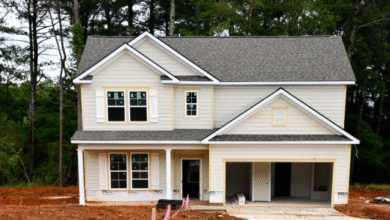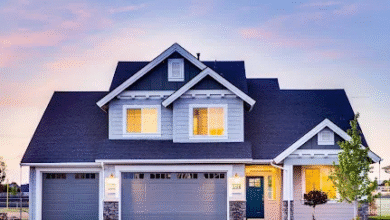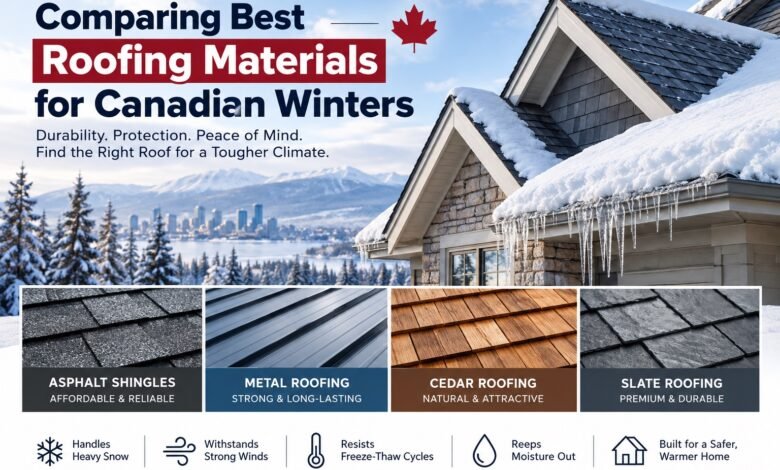
Homeowners should always consider ice dams, freeze and thaw cycles, strong winds, moisture, and roof slope while choosing the best roofing materials for Canadian winters.
Architectural asphalt shingles are most affordable for winters. Metal roofing is a stronger choice for heavy snow, wind and freeze and thaw conditions if you plan to stay longer and it comes under your budget. Slate and synthetic roofing is for homeowners who look for longer roof life or a premium looking appearance. Cedar roofs are also a good choice, but it needs more maintenance.
What Kind of Roof You Need for Canadian Winters
The weather in Canada varies a lot. Coastal British Columbia may face heavy rain and moderate amount of snow, while Montreal, Ottawa, Winnipeg or Northern Ontario may experience deep snow, freezing rain and temperature changes. Atlantic Canada may face windy rain, snow and storms.
Roof pitch, flashing, underlayment, ventilation, insulation, air sealing and structural design are also important along with roof coverage in winters.
Ice dams form when heat goes into the attic, melts snow on the roof area, which is warmer, and refreezes the water on colder edges. The water then moves under the shingles and leaks into the attic. Air sealing, proper insulation, and good ventilation are key parts to prevent ice dams.
A new roof should include ice and water protection membrane at areas like eaves, valleys and roof penetrations. This membrane can reduce the risk of water entering the building when ice dams are formed.
See also: About Datrihelminen Life
Asphalt Shingles
The most common choice is asphalt shingles for Canadian winters because they are affordable and easy to repair. Architectural shingles perform nicely in normal snow, rain and freezing.
Advantages:
- It costs lower than metal, slate or cedar
- Asphalt shingles are easy to repair because they are easily available.
- There are many colours and styles.
- Roof life is about 15 to 30 years.
Disadvantages:
- Freeze and thaw cycles can damage shingles.
- Ice dams lead water under the shingle.
- Strong winds can lift shingles.
- Heavy snow and insufficient ventilation lessen roof life.
- Asphalt shingles need to be replaced earlier than metal or slate.
choose asphalt shingles with low-temperature performance ratings, proper underlayment and ice and water protection membrane.
Metal Roofing
People in areas with heavy snowfall, wind and temperature changes should choose metal roofing. Metal roofing for Canadian winters is a good choice because steel, aluminum and standing seam prevent moisture, rot and freeze and thaw effects. Metal roofing life is around 30 to 60 years or more depending on how well you maintain it.
Advantages:
- It resists snow, rain, ice and wind.
- Longer roof life.
- Very low chances of rot and moisture absorption.
- It can shed snow efficiently.
- It does not require frequent replacements like asphalt.
Disadvantages:
- High upfront cost.
- Snow may slide suddenly.
- Improper installation can lead to condensation or leaks.
- Highly experienced roofer is required for repairs.
- Expansion and contraction can happen
- Rain noise can disturb homeowners.
Metal vs Asphalt Shingles
Asphalt shingles are budget friendly as compared to metal but metal works for long term.
Cedar Roofing
Cedar roofing in cold climate is good for cottages and traditional homes, especially in parts of Alberta, British Columbia and Ontario which are drier.
Advantages:
- It provides attractive and traditional appearance.
- Lightweight.
- It works well in cold and dry weather.
- Damaged pieces can be replaced.
Disadvantages:
- Cedar roofing needs more maintenance than asphalt or metal roofing.
- Moisture and poor ventilation can cause decay.
- Wetting and drying again and again can lead to curling.
- Expensive than asphalt shingles.
Cedar is not much suitable for a shaded and damp roof.
Slate Roofing
Slate roofing resists moisture, rot and cold weather very efficiently. Natural slate can last for many decades, up to 50 to 100 years or even longer than that. However, this depends on the quality of slate, fasteners and workmanship done during installation.
Advantages:
- Very long roof life.
- Resists water, rot and temperature changes very efficiently.
- Routine maintenance is low.
- Premium appearance.
Disadvantages:
- Very expensive material and installation cost.
- Heavy.
- Tiles can crack due to foot traffic.
- Slate specialists are needed for repairing.
Slate is a good choice for strong heritage homes of Montreal, Quebec City or Halifax, but one needs a very high budget for it.
Synthetic Roofing
Synthetic roofing is made from composite products to resemble slate, cedar or tile. Synthetic roofing is lighter than natural slate. It may resist moisture, impact and freeze and thaw conditions. The roof life is around 30 to 50 years.
Advantages:
- It is lighter than natural slate.
- Premium appearance.
- It prevents rot, insects and moisture.
- It requires less maintenance than cedar.
Disadvantages:
- Expensive than asphalt.
- Performance depends on the way it was manufactured.
- Replacement pieces are difficult to find.
Best Choice
Architectural asphalt is good if your budget is limited and you face moderate snowfall. For heavy snow and wind, metal is the best roof for Canadian winters if you plan to stay longer. If you value appearance and are ready for maintenance Cedar is a good option. Slate is best for premium homes while synthetic roofing is an alternative to slate roofing.