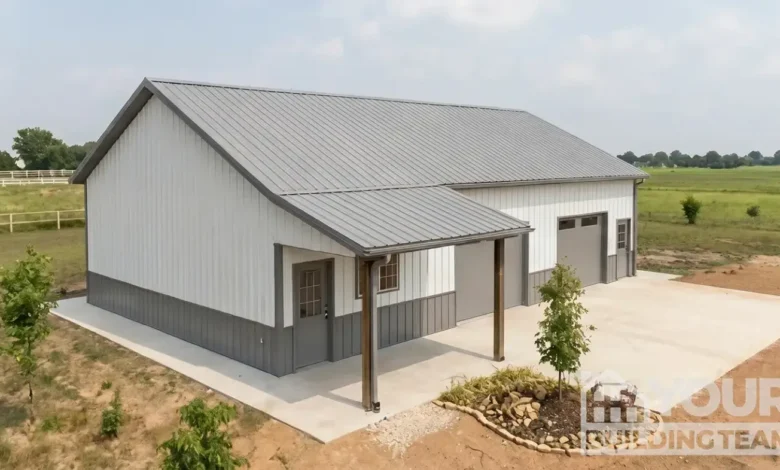
In Canada, choosing the right type of outbuilding is crucial for both personal and business properties. Whether you’re looking to build a garage, workshop, or additional storage space, the materials you select will have long-lasting implications. Traditionally, wood has been a popular choice for outbuildings, but with advancements in construction technology, metal outbuildings are becoming increasingly prominent. This article will explore the pros and cons of wood and metal outbuildings, helping you determine the best investment for your needs.
Understanding Wood Outbuildings
Wood has been used in construction for centuries and remains a go-to choice due to its classical appeal and perceived warmth. However, as an organic material, wood presents several distinct advantages and challenges.
Advantages of Wood Outbuildings
One of the primary attractions of wood is its aesthetic appeal. Wood structures blend seamlessly with natural surroundings and can be easily customized with paints and stains. Additionally, wood is an effective insulator, maintaining warmth in the winter while keeping interiors cool in the summer. Many appreciate the traditional charm and rustic feel that wood offers.
Challenges with Wood Outbuildings
While wood has its merits, it also demands substantial maintenance. Exposure to the Canadian elements means wooden buildings require regular treatment to prevent rot, pests, and warping. Wood is also prone to fire damage, which can escalate quickly and become costly. Over time, repairs and restorations can add up, making them less economical than one might initially anticipate.
The Rise of Metal Outbuildings
As steel buildings gain popularity, more property owners are considering the benefits of metal. These structures offer a contemporary solution for modern building requirements, particularly when efficiency and longevity are prioritized.
Advantages of Metal Outbuildings
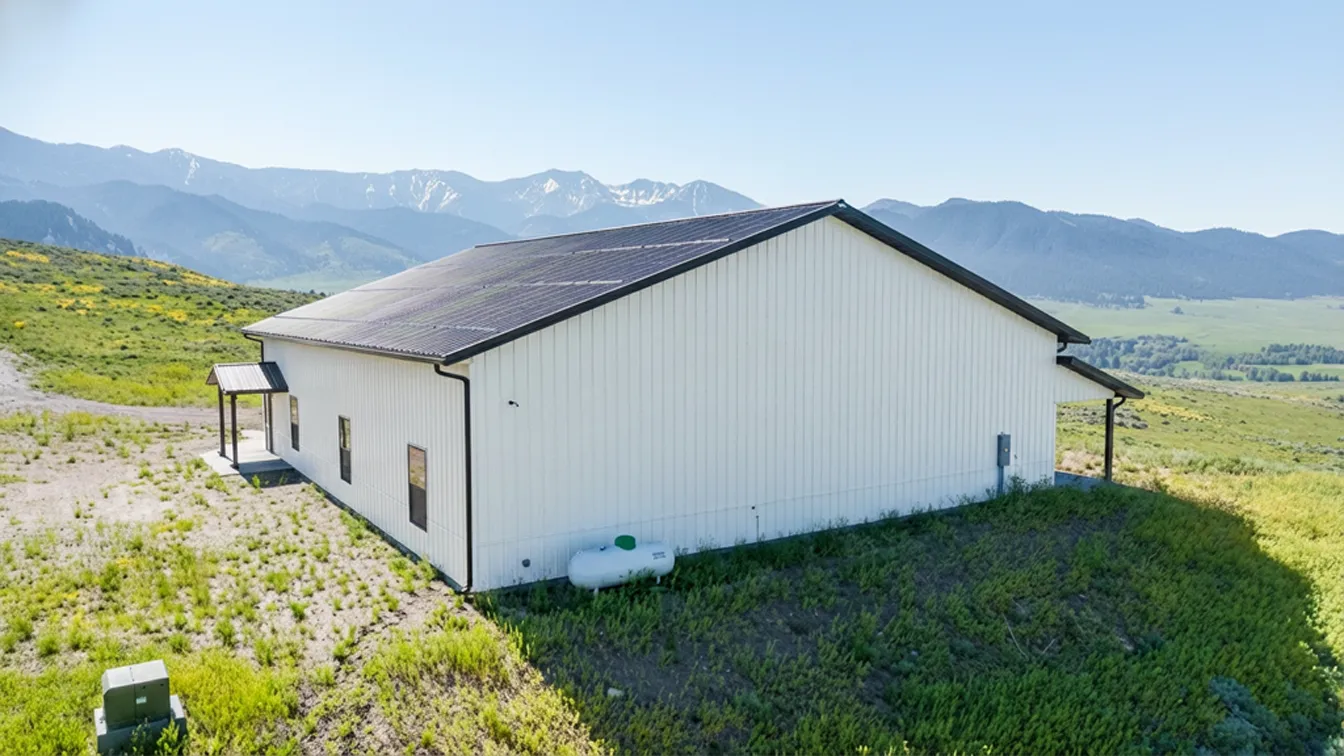
Metal outbuildings are renowned for their durability. Steel, in particular, can withstand harsh weather conditions, which are commonplace across much of Canada. Steel’s resistance to pests, rot, and fire provides peace of mind and reduces maintenance costs over time. Moreover, pre-engineered steel building kits have revolutionized construction with their ease of assembly, making them a cost-effective choice for quick installations.
Another advantage is that metal structures are highly customizable. Advances in design mean these buildings are not merely limited to industrial aesthetics; they can be tailored to suit both functionality and style. Additionally, steel offers significant environmental benefits. Often made from recycled materials, steel is itself recyclable, which aligns with sustainable practices.
Considerations with Metal Outbuildings
Despite their many benefits, metal buildings do have considerations to keep in mind. Insulation needs are a notable factor since metal is a conductor of temperature. Without proper insulation, metal outbuildings can become quite warm in summer and cold in winter. Choosing the right insulation can help mitigate this issue.
There can also be a stigma regarding aesthetics. Some believe metal buildings lack the charm of wooden structures. However, modern advancements have made it possible to design attractive, inviting metal buildings that rival their wooden counterparts in visual appeal.
Cost Implications: Wood vs. Metal
Cost is an essential factor in deciding the best outbuilding for your needs. While initial construction costs for wood buildings might seem lower, long-term maintenance and repair costs can add up significantly. Wooden buildings need frequent attention to mitigate water damage, insect infestations, and general wear.
Conversely, metal buildings, particularly those utilizing pre-engineered kits, tend to have lower long-term costs. The durability and ease of maintenance often offset the initial expense. Pre-engineered solutions reduce labor and material waste, allowing for budget-friendly and efficient assembly.
Investing with Confidence: Decision-Making Tips
When deciding between wood and metal outbuildings, consider your specific needs and long-term goals. Reflect on the climate in your region — if you experience extreme weather, the resilience of steel might be beneficial. If aesthetic appeal and warmth are priorities, you might lean towards wood.
Think about your budget, both now and in the future. An outbuilding is an investment, and it’s prudent to consider how maintenance will factor into your expenses over the years. Opt for a choice that offers the best return on your investment, not just initially, but throughout the lifetime of the structure.
Choosing the Best Investment
In summary, both wood and metal outbuildings have their respective strengths and weaknesses. The decision ultimately boils down to individual preferences, requirements, and budgetary constraints. By understanding the distinct characteristics of each option, you can make an informed choice that fits your needs. Whether it is the traditional charm of wood or the robust durability of steel, choosing the right outbuilding is a step towards a more functional and valuable property.
As Canadian options continue to evolve, considering pre-engineered solutions could provide both versatility and economy, serving as a testament to the future of smart and effective building solutions in the great white north.