Seattle Landscaping: How to Transform Your Outdoor Space into a Beautiful, Functional Retreat

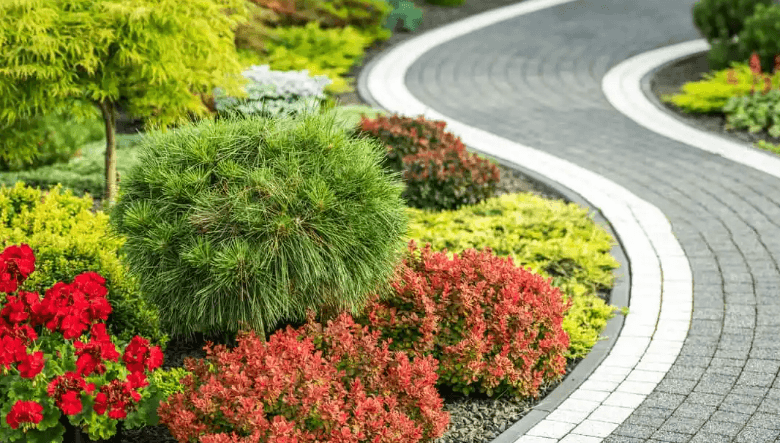
A well-designed outdoor space can completely change the way a home feels. It can make a small yard feel more open, turn an unused patio into a gathering place, and bring a sense of calm to everyday life. In a city known for its greenery, rain, and natural beauty, Seattle landscaping is about more than curb appeal. It is about creating an outdoor environment that works with the local climate, supports the homeowner’s lifestyle, and adds long-term value to the property.
Seattle homeowners often face a unique mix of opportunities and challenges. The region’s wet winters, mild temperatures, and dry summer stretches can support lush gardens, native plants, and vibrant outdoor living spaces. At the same time, drainage, shade, moss growth, soil conditions, and seasonal maintenance need to be planned carefully.
A thoughtful landscape plan brings all of these details together. From plant selection and hardscaping to lighting, water features, and seasonal care, every element should help create a space that feels beautiful, practical, and easy to enjoy.
Creating a Personalized Landscape Plan for Your Seattle Home
Every homeowner has a different idea of the perfect outdoor space. Some want a peaceful garden filled with native plants and winding stone paths. Others prefer a clean, modern design with structured greenery, a patio, and low-maintenance features. Some families need a backyard that works for children, pets, entertaining, and quiet evenings outdoors.
The first step in any Seattle landscaping project is understanding how the space will be used. A yard should not only look good from the street. It should support daily life.
Identifying Your Outdoor Style
A strong landscape design starts with personal style. Homeowners may prefer a natural Pacific Northwest look, a sleek modern layout, a cottage-style garden, or a functional outdoor living space. The right style depends on the home’s architecture, the owner’s preferences, and the amount of maintenance they are comfortable managing.
Professionals often begin by asking practical questions. Do you enjoy gardening? Do you entertain often? Do you want a lawn, or would you prefer native plants and pathways? Do you need privacy from neighbors? Do you want a space that feels formal, relaxed, or family-friendly?
These answers help shape the design. A homeowner who loves quiet mornings may want a seating area surrounded by greenery. A family that hosts often may benefit from a patio, outdoor kitchen, or fire pit. Someone who wants less upkeep may choose drought-tolerant plants, mulch beds, and simple hardscaping.
Seattle landscaping works best when it reflects the homeowner’s lifestyle instead of following a generic design trend.
See also: About Datrihelminen Life
Choosing the Right Design Elements
Once the overall style is clear, the next step is choosing the design elements that will bring the space together. A strong landscape uses balance, proportion, texture, and flow.
Plants add color, movement, and seasonal interest. Hardscaping creates structure and function. Lighting improves safety and atmosphere. Pathways guide movement through the yard. Seating areas invite people to stay and enjoy the space.
The best designs feel intentional. A pathway should lead somewhere useful. A patio should feel connected to the home. Plant beds should frame the space rather than crowd it. Even small yards can feel larger when the layout is planned well.
In Seattle landscaping, it is also important to consider shade, moisture, drainage, and soil health. A beautiful design will only last if it is built around the conditions of the property.
Understanding Seattle’s Climate and Its Impact on Landscaping
Seattle’s climate plays a major role in landscape planning. The city is known for its rainy seasons, mild temperatures, and green surroundings. While this climate supports many plants, it also requires smart planning.
Wet winters can create drainage issues. Shaded areas may develop moss. Some plants may struggle during the drier summer months if they are not properly selected. A successful landscape design accounts for all of these factors from the start.
Working with Wet Winters
Seattle’s rainy season can be hard on yards that do not have proper drainage. Standing water may damage plant roots, weaken lawns, and make outdoor spaces difficult to use.
Good drainage solutions can include grading, French drains, rain gardens, permeable pavers, and soil amendments. These features help guide water away from problem areas while supporting a healthier landscape.
Rain gardens are especially useful in Seattle landscaping because they manage stormwater while adding beauty. They can be planted with moisture-loving native plants that absorb runoff and create habitat for local wildlife.
Planning for Dry Summers
Although Seattle is often associated with rain, summers can be surprisingly dry. Plants that thrive in winter moisture may still need help during extended dry periods.
This is one reason native and drought-tolerant plants are valuable. They are better adapted to regional weather patterns and often require less watering once established. Mulch can also help retain soil moisture and protect plant roots.
A smart irrigation plan can make summer maintenance easier. Drip irrigation, soaker hoses, and targeted watering systems reduce waste while keeping plants healthy.
Choosing Plants That Thrive Locally
Plant selection is one of the most important parts of Seattle landscaping. Native plants are often a strong choice because they are adapted to local soil, rainfall, and seasonal changes.
Popular native options may include Pacific rhododendron, Oregon grape, red-flowering currant, sword fern, salal, and vine maple. These plants offer beauty while supporting pollinators, birds, and local ecosystems.
Native plants can also reduce maintenance. They typically need less fertilizer, fewer chemical treatments, and less watering than plants that are not suited to the region.
Top Seattle Landscaping Trends for Modern Homes
Outdoor spaces have become extensions of the home. Homeowners want yards that are attractive, comfortable, and functional. In Seattle, modern landscaping trends often combine sustainability with livability.
Native Plant Gardens
Native plant gardens continue to grow in popularity. They reflect the natural beauty of the Pacific Northwest while supporting a healthier environment.
A native garden can be colorful, layered, and full of texture. It may include shrubs, groundcovers, ferns, flowering plants, and small trees. These gardens can look polished while still feeling natural and relaxed.
They also attract birds, bees, butterflies, and other beneficial wildlife. For homeowners who want beauty with a lighter environmental footprint, native planting is one of the strongest Seattle landscaping choices.
Outdoor Living Areas
Many homeowners want to use their yards for more than occasional lawn care. Patios, decks, fire pits, pergolas, and outdoor kitchens can turn a backyard into a true living space.
A patio can become a quiet reading area, a dinner space, or a place for weekend gatherings. A fire pit can make cool evenings more comfortable. Outdoor kitchens make entertaining easier and keep the host connected with guests.
In Seattle, covered outdoor areas are especially useful. A pergola, awning, or covered patio can make the space more usable during light rain and extend the outdoor season.
Low-Maintenance Landscaping
Low-maintenance design is another major trend. Homeowners want beautiful yards, but many do not want to spend every weekend pruning, mowing, and weeding.
Low-maintenance Seattle landscaping may include native plants, mulch beds, gravel pathways, automated irrigation, groundcovers, and durable hardscaping. The goal is not to remove all maintenance but to make the yard easier to manage.
Replacing part of a traditional lawn with planting beds or hardscaped areas can also reduce mowing and watering needs.
Water Features
Water features can bring a peaceful quality to outdoor spaces. The sound of moving water can soften street noise, create a calming atmosphere, and serve as a focal point in the garden.
Fountains, small ponds, bubbling rocks, and waterfalls can all work well depending on the size and style of the yard. In larger landscapes, ponds can support aquatic plants and attract wildlife. In smaller spaces, a simple fountain can add movement and sound without taking up much room.
When planned carefully, water features can enhance both the beauty and sensory experience of a landscape.
Maintenance Plans That Keep Seattle Landscapes Healthy
Even the best landscape design needs regular care. Seattle’s seasonal changes make maintenance especially important. A yard that looks beautiful in spring may need different care in summer, fall, and winter.
A year-round plan helps protect the investment and keeps the outdoor space looking its best.
Spring Maintenance
Spring is a time for cleanup and new growth. Homeowners should remove debris, prune damaged branches, refresh mulch, check irrigation systems, and prepare planting beds.
This is also a good time to fertilize certain plants, divide perennials, and add seasonal color. After a wet winter, checking drainage issues is especially important.
Summer Maintenance
Summer care often focuses on watering, weeding, deadheading flowers, and monitoring plant health. Even in Seattle, plants can become stressed during dry weather.
Mulch can help conserve moisture and reduce weeds. Regular inspections can also catch pest problems before they spread.
Fall Maintenance
Fall is the season for cleanup and preparation. Leaves should be removed from lawns, pathways, drains, and planting beds. Mulching before winter can help protect roots and improve soil health.
Fall is also a good time to plant many trees, shrubs, and perennials because cooler temperatures and seasonal rain help roots establish.
Winter Maintenance
Winter landscaping in Seattle is often about protection and planning. Homeowners should watch for drainage problems, inspect trees after storms, and protect vulnerable plants from cold snaps.
This is also a useful time to plan improvements for the coming year. A professional landscaper can help assess what worked well and what needs adjustment.
How Professional Seattle Landscaping Can Improve Property Value
Landscaping has a direct effect on how a property is perceived. A well-maintained yard creates a strong first impression and can make a home feel more inviting before anyone steps inside.
For homeowners planning to sell, landscaping can be a smart investment. Buyers often notice outdoor spaces immediately. A clean, attractive, functional yard can make a property stand out in a competitive market.
Improving Curb Appeal
Curb appeal is one of the most visible benefits of professional landscaping. Healthy plants, defined pathways, clean edges, fresh mulch, and balanced design can instantly improve the appearance of a home.
Small details matter. A welcoming entryway, colorful plantings, and a clear walkway can make the property feel cared for and approachable.
Creating Usable Outdoor Space
Usable outdoor space can also increase perceived value. A backyard with a patio, seating area, fire pit, or garden path feels like added living space.
In a city where homeowners value access to nature, Seattle landscaping can help create a private retreat without leaving home. This can be especially appealing to buyers who want comfort, function, and beauty in one package.
Supporting Long-Term Value
Quality landscaping can continue adding value over time when it is well maintained. Trees mature, plantings fill in, and outdoor features become part of the home’s character.
Strategic improvements such as patios, native gardens, privacy plantings, and durable walkways can offer long-term benefits. They make the property more enjoyable now and more appealing later.
Final Thoughts
Seattle landscaping is about designing outdoor spaces that feel beautiful, practical, and connected to the region’s natural character. The best landscapes work with the local climate instead of fighting against it. They use smart plant choices, good drainage, thoughtful hardscaping, and seasonal care to create outdoor areas that last.
Whether the goal is a peaceful garden, a family-friendly backyard, a low-maintenance retreat, or a property-value boost, a well-planned landscape can make a major difference. With the right design and maintenance approach, Seattle homeowners can create outdoor spaces that are not only attractive but truly enjoyable throughout the year.