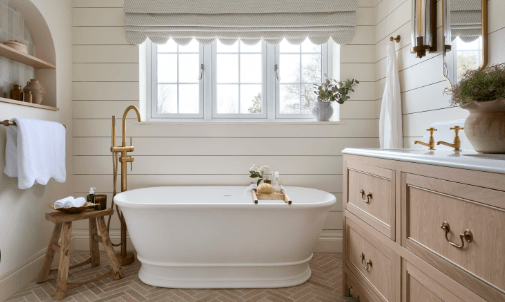
A bathroom upgrade does not always require tearing out tile, relocating plumbing, or committing to a full renovation. Sometimes, one carefully chosen fixture can change the entire mood of the room. A Roman tub faucet is one of those rare details that can instantly make a bath area feel more refined, more intentional, and far more luxurious.
Unlike standard tub fillers that focus only on basic function, a Roman tub faucet is designed to contribute to the overall experience of bathing. It often features a wider spout, a more sculptural shape, and a presence that feels elevated rather than purely practical. In many bathrooms, it becomes a visual anchor that helps the tub feel like a destination instead of just another fixture.
That appeal is not only about looks. A well-selected Roman tub faucet can improve comfort, make filling the tub faster, and align beautifully with the architectural style of the room. It can support a traditional design, a transitional look, or even a modern spa-inspired space depending on the finish, handle style, and installation details.
Still, choosing the right one requires more thought than many homeowners expect. Design, handle configuration, height, spout reach, water pressure, installation method, and maintenance all matter. The more carefully these elements are considered, the more satisfying the result tends to be.
This guide explores why Roman tub faucets remain so popular, how to choose one that suits your bathroom, what installation involves, and how to care for it so it continues to look and perform beautifully over time.
What Makes a Roman Tub Faucet Stand Out
A Roman tub faucet is typically designed for installation on the deck of a tub, on a surrounding platform, or in some cases on a nearby surface that allows the spout to reach into the tub basin. What distinguishes it from a more ordinary tub filler is not just its placement, but its scale and style.
These faucets are often larger, more graceful, and more decorative than standard tub fixtures. The spout usually sits higher, allowing water to flow into the tub with a more substantial and elegant presentation. The handles are often more sculptural as well, whether they lean traditional, minimalist, or somewhere in between.
The visual effect matters because a tub area often occupies a central place in the bathroom. If the tub is meant to feel like a place of retreat, the faucet needs to support that feeling. A Roman tub faucet does this especially well because it looks deliberate. It suggests comfort, ritual, and attention to detail.
This is part of why the style has held its appeal for so long. Even as bathroom trends have changed, the Roman tub faucet has remained relevant because it combines practical water delivery with a stronger sense of design.
The Appeal of Elegant, Functional Design
A beautiful fixture is always more valuable when it also performs well. That balance between appearance and practicality is one of the reasons homeowners continue to choose this style.
A Stronger Visual Presence
Many bathroom fixtures fade quietly into the background. A Roman tub faucet usually does the opposite. It creates a focal point near the tub, adding height, shape, and polish to the area. This is especially helpful in bathrooms where the tub is intended to feel more luxurious or where the room needs a stronger design anchor.
Better Suitability for Deep Soaking Tubs
Roman tub faucets are often well suited to larger or deeper tubs because they are built with filling performance in mind. Their broader spouts and generally stronger flow rates can make the tub more practical to use, particularly if the goal is to fill it efficiently without compromising style.
Adaptability Across Design Styles
Another strength of the Roman tub faucet is that it can work in many different types of bathrooms. A more ornate design can support traditional or classic interiors, while simpler lines and matte finishes can fit beautifully into contemporary spaces. This flexibility allows homeowners to choose a fixture that enhances the room’s character rather than competing with it.
The Historical Influence Behind the Style
The term “Roman” in Roman tub faucet is not accidental. It reflects a long-standing cultural connection between bathing and luxury. Ancient Roman bath culture emphasized bathing as an experience rather than a quick necessity. Public bathhouses were designed not only for hygiene, but also for relaxation, social life, and architectural beauty.
Modern Roman tub fixtures echo that idea. They suggest bathing as something to be enjoyed slowly and comfortably, not rushed through. Their style often carries a sense of old-world elegance, even when interpreted in updated materials and cleaner lines.
This historical influence helps explain why the fixture feels different from a basic utility faucet. It is not simply about getting water into the tub. It is about elevating the atmosphere around that moment. In a room meant for unwinding, that distinction matters.
Choosing the Right Style for Your Bathroom
Before looking at technical features, it helps to think about the room itself. The faucet should feel like part of the bathroom’s visual language, not a piece dropped into the space without context.
Traditional Bathrooms
In more classic bathrooms, a Roman tub faucet with curved lines, decorative handles, and warm finishes such as polished nickel or oil-rubbed bronze often feels most at home. These designs pair well with marble, detailed cabinetry, framed mirrors, and more formal trim work.
Transitional Bathrooms
Transitional spaces blend traditional softness with cleaner, more current lines. In these rooms, the best faucet may be one that feels elegant but restrained. Slight curves, balanced proportions, and versatile finishes such as brushed nickel or champagne bronze often work well here.
Modern Bathrooms
In modern bathrooms, simpler silhouettes tend to perform best. A Roman tub faucet with minimal detailing, sharp geometry, or matte black and brushed metallic finishes can help reinforce a clean, intentional look without losing the feeling of luxury.
The key is cohesion. The faucet should support the room’s design direction instead of feeling disconnected from the rest of the fixtures and surfaces.
See also: How To Choose the Right Home Renovation Contractor?
Picking the Right Finish for Lasting Impact
Finish is one of the most visible decisions you will make, and it influences both style and maintenance.
Chrome remains popular because it is bright, reflective, and generally easy to find. It suits modern and transitional bathrooms well, though it can show fingerprints and water spots more easily than some other options.
Brushed nickel offers a softer look and often hides everyday marks more gracefully. It is a reliable choice for homeowners who want something classic and low-stress.
Oil-rubbed bronze can add warmth and richness, especially in traditional or rustic-inspired bathrooms. Matte black creates strong contrast and tends to work best in spaces with a modern or high-design feel.
A Roman tub faucet should also be chosen with the rest of the room in mind. It usually looks best when its finish relates clearly to nearby hardware, shower trim, lighting, or mirror frames. That relationship does not have to be perfectly matched, but it should feel intentional.
Single Handle or Dual Handle
Handle configuration affects both appearance and usability, so it is worth considering carefully.
Single-handle designs are simpler and often more streamlined. They can be easier to use, especially when adjusting water flow and temperature quickly. For homeowners who prefer a clean, modern look, this option may feel more natural.
Dual-handle designs offer more visual symmetry and often suit traditional or transitional bathrooms especially well. They also provide more precise temperature adjustment, which some users prefer during a bath.
Neither choice is universally better. The best one depends on the overall style of the bathroom and the way the tub is used. A dual-handle Roman tub faucet may feel more elegant in a formal space, while a single-handle model may fit better in a simplified, contemporary setting.
Faucet Height and Spout Reach Matter More Than You Think
A faucet can be beautiful and still be wrong for the tub if the dimensions are not considered carefully. Height and reach affect both the visual balance and the everyday practicality of the fixture.
If the spout is too low or too short, filling the tub may feel awkward or slow. If it is too large for the setting, it may overpower the tub or splash more than expected. The goal is to choose a faucet that fits the scale of the tub and the way the installation surface is configured.
This is especially important with deep soaking tubs or larger deck-mounted arrangements. The spout should extend far enough into the basin to direct water properly, while still feeling proportionate from a design standpoint.
A well-sized Roman tub faucet looks balanced and works naturally. That combination is what turns the fixture from a decorative object into a truly successful part of the room.
Water Pressure and Flow Performance
Appearance matters, but a tub faucet also needs to fill the tub efficiently. A weak or slow flow can make even a beautiful fixture frustrating to use, especially if the tub is large.
That is why homeowners should pay attention to water pressure compatibility and flow rate. Some faucets are designed to deliver more water more quickly, which is particularly important in deep tubs meant for soaking. Others may look appealing but operate less effectively if the home’s plumbing system does not support them well.
It can be helpful to review the product specifications and, if needed, speak with a plumbing professional before making a final choice. A Roman tub faucet should not only suit your bathroom visually. It should also function well within your home’s existing system.
Installation Planning and What to Expect
Installation can range from straightforward to more involved depending on the current setup and whether the bathroom is being remodeled.
New Construction or Full Renovation
If the tub area is being built or redesigned from scratch, placement options are usually much easier to manage. Plumbing can be positioned to suit the chosen faucet, and the layout can be planned with the fixture in mind.
Replacing an Existing Faucet
If you are swapping out an older fixture, compatibility becomes more important. Hole spacing, deck thickness, mounting configuration, and plumbing connections all need to match or be adjusted. This is where a replacement project can become more complex than it first appears.
DIY or Professional Installation
Some confident homeowners may be comfortable installing a faucet themselves, especially if the setup is straightforward and access is good. Still, a Roman tub faucet is often best handled by a professional plumber when the installation involves new lines, awkward access, or a high-end tub where mistakes could be costly.
Professional installation also brings peace of mind. It helps reduce the risk of leaks, misalignment, or performance problems that can affect the tub area later.
Common Installation Mistakes to Avoid
Even a high-quality faucet can disappoint if it is installed poorly. A few issues show up repeatedly in bathroom projects.
Incorrect measurements are one of the most common problems. If the faucet is not aligned properly with the tub or if the spout does not reach the basin correctly, both usability and appearance suffer.
Poor sealing is another risk. Water around the deck or mounting area can eventually lead to damage if the installation is not sealed correctly. Loose fittings, rushed assembly, or failure to test the system thoroughly can all create problems that may not show up immediately.
This is one reason careful planning matters so much. A well-installed Roman tub faucet should feel solid, balanced, and effortless from the first use.
Keeping Your Faucet Looking Beautiful
Once installed, regular maintenance helps preserve both appearance and performance.
Routine Cleaning
Most finishes respond well to mild soap, warm water, and a soft cloth. Harsh cleaners and abrasive scrubbing tools should be avoided because they can damage the finish over time. Drying the faucet after cleaning can also help reduce water spotting.
Checking for Early Signs of Wear
Occasional drips, stiff handle movement, or buildup around the base should not be ignored. Catching small issues early can prevent larger repairs later. Mineral deposits may also form depending on your water supply, so gentle descaling may be needed from time to time.
Protecting the Investment
A Roman tub faucet is often one of the more visually important fixtures in the bathroom. Treating it with the same care given to stone surfaces, mirrors, and cabinetry helps preserve the overall quality of the room.
When to Repair and When to Replace
Over time, even a good faucet may begin to show age. Minor issues such as worn washers, O-rings, or cartridges can often be repaired. If the fixture itself is structurally sound and the finish still looks good, repair may be the simplest and most cost-effective option.
Replacement makes more sense when the faucet leaks repeatedly, the finish is badly worn, or the style no longer fits the room. In some cases, replacing the faucet can be one of the easiest ways to refresh the tub area without taking on a full remodel.
Because a Roman tub faucet plays such a strong visual role, replacing an outdated one can sometimes transform the bathroom more dramatically than expected.
Understanding Warranty and Long-Term Value
Before purchasing, it is wise to review the manufacturer’s warranty. Many reputable brands offer strong coverage for defects in materials and workmanship, but terms vary. Some warranties are limited by installation method or maintenance practices, so keeping documentation can be useful.
A good warranty does not replace good care, but it does add confidence. Since the faucet is both a functional and decorative investment, having some protection behind it can matter over the long run.
Final Thoughts
A Roman tub faucet does more than deliver water. It shapes the feeling of the bath area, influences how luxurious the room feels, and helps turn an ordinary bathroom into a more personal and restorative space.
That is why the right Roman tub faucet can have such a powerful effect. It combines beauty with function, history with modern comfort, and visual elegance with practical daily use. When chosen carefully, it becomes one of those details that makes the room feel complete.
The best results come from considering the whole picture: the style of the bathroom, the scale of the tub, the finish, the handle design, the water performance, and the quality of the installation. When those pieces work together, the faucet becomes more than a fixture. It becomes part of the experience that makes the bathroom feel truly finished.