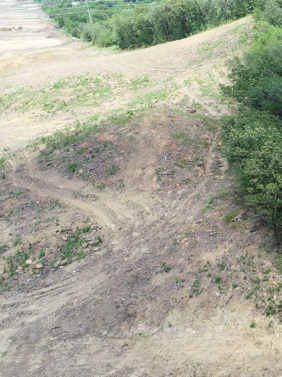
You have a plan for your property: a new shop, a better driveway, or space for a future home. Then someone mentions grading, fill dirt, and site preparation, and the project suddenly sounds more complicated than expected.
Understanding excavation services helps turn those unfamiliar terms into practical decisions. These questions explain what the work can involve, what to discuss before equipment arrives, and how to approach a Tulsa project with fewer surprises.
What Does an Excavation Company Actually Do?
Excavation involves removing or moving earth, but a contractor’s services can extend beyond digging. Related work may include clearing vegetation, shaping land, preparing building pads, hauling materials, and creating access routes.
For example, T&J Excavating lists services including dozer work, home sites, dump trucking, ponds, demolition, septic systems, parking lots, and utility line digging. That range allows property owners to discuss several related needs during an initial conversation.
The useful starting point is your intended result. Explain whether you need space for construction, improved access, or material delivery. The contractor can then identify the work involved and clarify which services belong in the proposal.
Why Does Grading Matter Before Construction?
Grading changes the shape and elevation of the ground. A building pad, driveway, and surrounding yard each have different requirements, so making everything perfectly flat is rarely the complete goal.
Water needs somewhere to go. Oklahoma State University Extension identifies soil properties, grading, and slope among the factors that influence landscape drainage. A smooth surface can still collect water when runoff has no suitable outlet.
During planning, discuss existing puddles, runoff from nearby land, and water discharged by downspouts. Photographs taken after rain can help explain what happens on the property.
For building work, ask how proposed elevations relate to the construction plans. The pad and surrounding drainage should be considered together, with any engineering or testing requirements established before installation.
See also: About Datrihelminen Life
Is Fill Dirt the Same as Topsoil?
They serve different purposes. Fill dirt is used to build up areas or fill spaces, while topsoil is selected for the surface where plants will grow. Material suitable for one task may be unsuitable for another.
Growing soil needs characteristics that support roots, including appropriate texture, nutrients, and organic matter. For a construction project, material selection should follow the project’s specifications and intended use.
The company’s Tulsa Dirt Site page describes fill dirt availability and assistance with choosing material and estimating quantity. Share what you are building before asking how many loads to order.
Measurements matter, too. Length and width alone do not describe the amount needed; depth is part of the calculation. Ask whether an estimate refers to loose material delivered or the finished volume after placement and compaction.
What Should Be Ready Before Equipment Arrives?
Start with clear boundaries for the proposed work and an agreed access route. Discuss gates, fences, overhead obstacles, parked vehicles, and any features you want protected. A truck needs room to maneuver, and a convenient unloading spot may differ from your preferred finished location.
Underground utilities also need attention before digging. OKIE811 advises homeowners hiring a contractor to confirm that the contractor has submitted a locate request. Ask for the ticket number and make sure the necessary responses are confirmed before excavation starts.
Private lines require separate consideration. Irrigation piping, septic lines, and electrical service to an outbuilding may not be marked through the standard utility notification process. Share any records you have and discuss private locating where needed. A clear yard does not necessarily mean clear ground below it.
What Should an Excavation Estimate Explain?
A useful estimate defines the work clearly enough that both parties understand the expected result. Ask about clearing, material delivery, placement, hauling away excess soil, grading, and cleanup. Confirm which items are included and which require separate arrangements.
Discuss the assumptions behind the schedule. Ground conditions, access, weather, and coordination with other contractors can affect how work proceeds. Request an explanation of how unexpected conditions or changes to the plan would be handled.
Also define the finish. A rough construction surface and ground prepared for planting are different outcomes. Knowing what the crew will leave behind helps you arrange the next stage without guessing.
If you plan to improve the property in stages, mention future projects during the visit. A later driveway extension or shop can affect access and material decisions. Thinking ahead gives the contractor a chance to discuss sequencing before the same area needs attention all over again.
Start With Clear Questions and a Practical Plan
A successful excavation project begins with understanding the property and defining what you want it to become. Bring your plans, explain known problems, and ask how soil, access, drainage, and materials affect the work. With a clear scope and realistic expectations, the machinery becomes part of an organized process, helping move your project from an idea toward a usable site.