Renting a dumpster is easier when you know what happens between selecting a size and having the filled container collected. The useful questions go beyond whether the debris will fit.
For projects around Dayton, Cincinnati, and Springfield, material type, weight, access, and timing all shape the rental. These answers explain what to clarify before a cleanout or renovation produces its first pile.
How Can I Estimate the Size I Need?
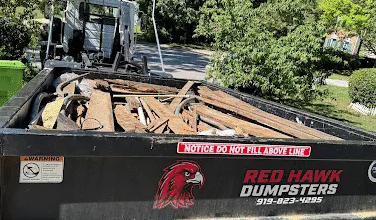
Start with an inventory of what you plan to discard. Include bulky furniture, materials being removed, and packaging that will arrive during installation. A room count alone does not capture those differences.
Pack Mule’s dumpster size estimator lets users begin with approximate pickup loads or measurements of a debris pile. The result helps narrow the options; it does not reserve a container or guarantee that every awkward item will fit.
Treat truckload comparisons as approximate because truck beds and packing methods vary. If the project may expand, explain that possibility before choosing a container.
What Determines the Total Rental Cost?
Container size is only one part of the calculation. Rental length, included disposal weight, delivery address, and applicable additional charges can affect the total.
Review Pack Mule’s current dumpster rental rates for the options available, then confirm the amount for your address and dates. Ask about taxes, fuel charges, extra weight, extensions, and any additional hauling you might need.
Included pounds are a billing allowance, not the maximum safe load. Paying for extra weight does not authorize overloading. Likewise, a longer rental does not automatically change the disposal allowance; confirm the terms of the selected service. Keep a copy of the booking details.
See also: About Datrihelminen Life
Can Household Items and Construction Debris Go Together?
The answer depends on the materials and the rental arranged. Pack Mule lists household items and several construction materials among accepted waste, subject to restrictions.
Describe the actual contents instead of calling everything “junk.” Paint, oils, chemicals, batteries, propane tanks, and other prohibited items need separate disposal arrangements.
Heavy materials deserve particular attention. Pack Mule offers a dedicated clean-concrete container, which must remain free of dirt, wood, trash, and mixed debris. Do not treat it as a general renovation dumpster. Ask about uncertain materials before loading, especially when demolition exposes something outside the original plan.
Does Dumpster Rental Include Loading?
Pack Mule’s rental terms place loading responsibility on the customer. Delivery and collection do not mean the driver will carry furniture from the basement or clear debris from the work area.
Arrange helpers or contractor labor in advance. Choose a loading route that keeps entrances and walkways usable.
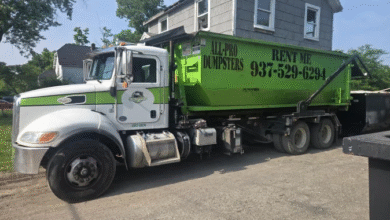
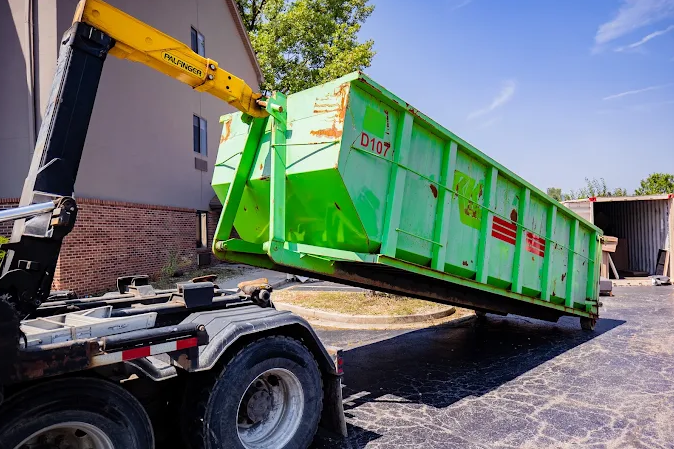
Discuss placement with the provider, including driveway conditions, overhead obstructions, gates, and truck access. The container needs space to sit, and the truck needs room to handle it. Keep that access available until pickup, not just on delivery morning.
What If the Dumpster Fills Before the Project Ends?
Contact the provider before adding material beyond the permitted loading level. Discuss whether another haul, a replacement container, or a revised disposal plan fits the remaining work.
If you need more time, request an extension before scheduled pickup so availability and charges can be confirmed. Do not assume extra days are automatically approved.
It helps to monitor the container as work progresses. A capacity conversation halfway through the job leaves more options than discovering an overloaded pile when the truck arrives.
Start With Clear Answers
A useful rental plan connects the debris list, suitable container, complete quote, and pickup arrangements. Share project details early, confirm restrictions, and communicate changes before they become loading problems. With those answers settled, homeowners and contractors can spend less time managing waste and more time completing the work that prompted the rental.