Mirrors are no longer just practical household items — they are powerful design elements that shape the atmosphere of a room. Whether you choose a bold floor mirror to create depth or a refined mirror with lights to enhance brightness, the right selection can completely redefine your interior. Today, mirrors play a central role in modern décor, blending beauty, function, and architectural presence in ways that elevate every corner of the home.
Mirrors as Design Statements
A well-placed mirror does more than reflect your image. It reflects light, expands visual space, and adds character to walls that might otherwise feel empty. Designers often use mirrors to balance proportions, soften harsh lines, or introduce contrast through shape and finish.
From minimalist frameless pieces to dramatic arch silhouettes, mirrors now come in a wide range of styles that complement both contemporary and classic interiors. Instead of thinking of a mirror as an accessory, think of it as a statement piece that anchors the room.
The Impact of Full-Length and Standing Mirrors
Large standing mirrors have become especially popular in bedrooms, dressing areas, and entryways. Their tall structure adds vertical emphasis, making ceilings feel higher and rooms feel larger.
These mirrors serve several purposes:
- Enhancing space: Large reflective surfaces create the illusion of depth.
- Improving light flow: They bounce natural light around the room, making darker areas feel brighter.
- Adding elegance: Arch frames, metallic finishes, or warm wood borders can introduce sophistication.
Placed strategically near a wardrobe or beside a window, a full-length mirror instantly elevates the functionality and style of a room.
Illuminated Mirrors and Modern Living
Lighting plays a crucial role in interior design, and mirrors with integrated lighting bring practicality and ambiance together. These designs are particularly effective in bathrooms and vanity areas where clear visibility matters most.
Backlit mirrors create a soft halo effect around the edges, adding warmth and dimension to walls. Front-lit options provide focused illumination, ideal for grooming or makeup application. Beyond functionality, illuminated mirrors add a luxurious, hotel-inspired feel that transforms everyday routines into elevated experiences.
In living rooms or hallways, a subtly lit mirror can act as an accent feature, introducing a gentle glow that enhances the overall mood of the space.
Shapes That Define Style
Mirror shapes influence how a room feels. Choosing the right form can dramatically change the visual flow.
Rectangular Mirrors
Clean and structured, rectangular designs suit modern and minimalist interiors. They align well with straight furniture lines and contemporary layouts.
Round Mirrors
Round mirrors soften sharp edges and introduce harmony. They are perfect above console tables or bathroom sinks, offering balance and elegance.
Arch Designs
Arched mirrors add architectural charm. Their curved tops create height and sophistication, making them ideal for entryways and bedrooms.
Irregular Shapes
For a creative touch, irregular mirrors bring an artistic element to the room. They break symmetry intentionally and add personality to otherwise neutral spaces.
See also: IV Infusion Treatment: Quick and Effective Health Boost
Materials and Finishes Matter
The frame and finish of a mirror can dramatically influence the atmosphere of a space.
- Black frames add contrast and boldness.
- Gold finishes introduce warmth and luxury.
- Wooden textures create a cozy, natural ambiance.
- Frameless designs provide a sleek, seamless look for modern interiors.
Selecting the right material ensures the mirror complements surrounding furniture and décor elements rather than competing with them.
Smart Placement for Maximum Effect
Strategic placement is key to making mirrors work effectively within your home.
Reflect Natural Light
Position mirrors opposite windows to maximize sunlight reflection. This simple technique brightens the room and reduces the need for artificial lighting during the day.
Create a Focal Point
A unique mirror above a console table or fireplace can serve as the room’s centerpiece.
Add Depth to Narrow Spaces
In hallways or compact rooms, mirrors visually widen the area and prevent it from feeling cramped.
Balance Proportions
Always match the size of the mirror to the scale of the room. Oversized mirrors can dominate small spaces, while tiny mirrors may feel lost on large walls.
Layering Mirrors for Visual Interest
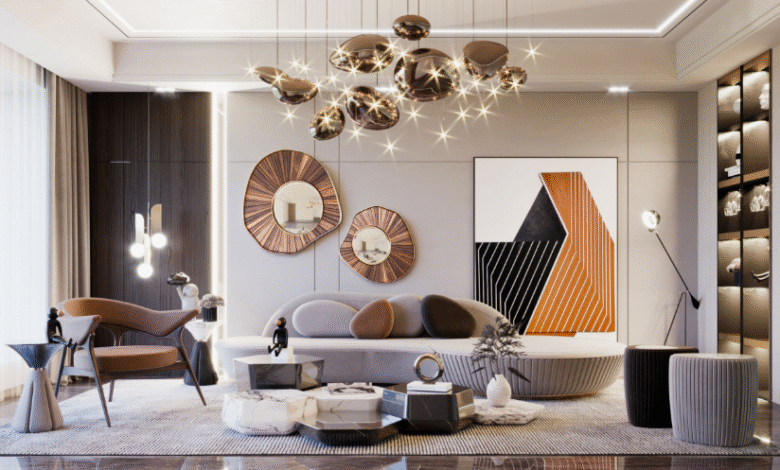
Layering mirrors of different sizes and shapes can add depth and creativity to your décor. For example, combining a large standing mirror with smaller decorative wall mirrors introduces dimension and movement.
This layered approach works especially well in contemporary interiors where texture and reflection enhance overall design complexity without overcrowding the space.
Avoiding Common Mistakes
While mirrors are versatile, improper placement can reduce their impact.
- Avoid positioning them where they reflect clutter.
- Prevent direct exposure to intense sunlight that may cause glare.
- Ensure illuminated mirrors are installed with proper electrical safety.
Thoughtful positioning ensures that mirrors enhance rather than disrupt the visual harmony of the room.
Conclusion
Mirrors are among the most transformative elements in interior design. They expand space, amplify light, and add elegance with minimal effort. Whether you prefer a tall standing mirror to anchor your bedroom or an illuminated design to enhance functionality and ambiance, choosing the right style makes a lasting difference.
By considering shape, material, size, and placement, you can turn simple reflective surfaces into powerful design features. In the end, mirrors do more than reflect your surroundings — they reflect your style, creativity, and vision for your home.