What Are Bathroom Sink Supply Lines?
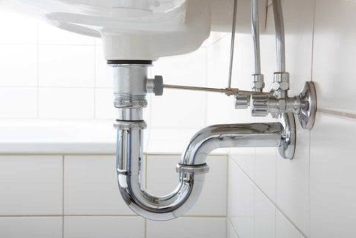
Bathroom sink supply lines are the tubes that run from your shut-off valves up to the faucet. They carry water in. That’s really it.
Under the sink, they’re just… there. Two lines most of the time. One hot, one cold. Slight bend, maybe a small curve depending on space. Nothing complicated to look at.
But they matter more than they look like they do.
Modern sinks rely on these flexible connections instead of rigid pipes. Easier installs, less precision needed. That part’s good. But it also means the line itself becomes a weak spot if it’s not right.
And problems here don’t always show up immediately. Sometimes it’s a slow drip. Sometimes pressure feels off and you don’t notice why. I’ve seen setups where everything else was solid, but the supply line was the first thing to give in.
Types of Bathroom Sink Supply Lines
There’s more than one type, even though at a glance they all look similar.
The difference mostly comes down to flexibility… and what they’re made from. That combination changes how they behave over time.
Not complicated. Just easy to ignore until you have to deal with it.
See also: Protecting Your Home with Smart Design Choices
Flexible Supply Lines
These are everywhere now. Most homes, most installations.
They bend, which means you don’t have to line things up perfectly. That alone makes them the go-to choice.
You’ll usually run into two kinds.
- braided stainless steel
- pvc or plastic
Braided Stainless Steel
This is the one people keep coming back to.
Inside, there’s a basic tube doing the water flow part. Around it, a woven steel layer. That outer braid is doing more work than it looks like—it protects the line, helps it handle pressure, and reduces wear over time.
It just feels sturdier when you handle it.
Pros:
- holds up well over time
- handles pressure without much trouble
Cons:
- slightly higher cost
Still, most people land here eventually. Even if they start by considering cheaper options.
PVC / Plastic Lines
These are more basic. No outer layer, no reinforcement. Just a plastic tube.
They’re easier to move around. Lighter too. And cheaper, which is usually the deciding factor when someone picks them.
Pros:
- inexpensive
- quick to install
Cons:
- not built for long-term durability
- can weaken or crack
They work fine… until they don’t. That’s usually how it goes.
Rigid Supply Lines
Rigid lines don’t bend at all.
Which means everything has to align properly before you even start installing. Valve position, faucet height, spacing—no room to adjust once you’re in.
You’ll mostly see these in exposed setups. Pedestal sinks, decorative plumbing, that sort of thing.
Usually made from chrome or copper.
They look clean. Almost intentional, like part of the design instead of something hidden.
But getting them installed right can take a bit of patience. More than people expect.
PEX Supply Lines
PEX is a bit of an in-between option.
Flexible, like PVC. But stronger. More durable over time. It’s a modern material, used a lot in plumbing systems overall.
You don’t see it much in visible sink setups though. More behind walls.
Still worth knowing it exists.
Common Sizes of Sink Supply Lines
Choosing the correct size is crucial. Not something you want to guess and “fix later.”
Because sometimes the connection seems like it fits. And that’s actually worse.
Standard Diameters
You’ll mostly deal with two.
- 3/8 inch
- 1/2 inch
3/8 inch is what most newer faucets use. That’s the common one now.
1/2 inch shows up in older plumbing. Or setups that haven’t been updated.
The mismatch between these two is where most confusion starts. And where small leaks begin.
Length Options
There are a few standard lengths. 12, 16, 20 and 30 inches.
No single right answer here. Just what fits your setup.
Too short and you’re forcing it into place. Too long and it sits awkwardly.
Always measure before buying. People skip this step more than you’d think.
How to Measure
Nothing complicated here, but it’s worth doing properly.
- Measure from the valve to the faucet
- Add a bit of extra length
- Don’t stretch the line during install
That last one—stretching—causes more problems than expected.
Materials Used in Supply Lines
Material decides how long the line lasts. And how much you trust it once it’s in place.
Some feel solid immediately. Others… not quite.
Stainless steel is the common choice.
- strong
- resists rust
PVC is cheaper.
- budget-friendly
- doesn’t last as long
PEX sits somewhere in the middle.
- flexible
- reliable
Copper is more premium.
- strong
- more expensive
There’s a pattern here. The more durable the material, the fewer problems later. Usually.
How to Choose the Right Supply Line
This part doesn’t need a deep dive. But it does need attention.
Start with the connection size. Both ends.
Then length. That’s where mistakes usually happen.
Material comes next. Try not to go too cheap here, even if it’s tempting.
And budget… well, that always plays a role.
Most homeowners end up choosing braided stainless steel. Not because it’s perfect. Just because it avoids most of the common issues.
Installation Tips (Beginner-Friendly)
The install itself is simple. It’s the small mistakes that cause issues later.
Turn off the water first. Always.
Remove the old line. Then attach the new one by hand before using a wrench.
Only tighten slightly.
That’s the part people overdo. Tight doesn’t always mean better here.
After installing, run water. Let it flow for a bit. Watch the connections.
Sometimes leaks don’t show right away.
Common Problems & Solutions
Problems usually start small.
A leak at the connection often means the fitting isn’t tight enough. Or maybe the washer isn’t sitting properly.
Low water flow can come from buildup inside the line. Not always obvious at first.
And cracking… that usually comes back to material quality. Cheap lines fail sooner. It keeps repeating.
Frequently Asked Questions
What size supply line do I need for a bathroom sink?
Most setups use 3/8-inch lines now, but older ones might still need 1/2-inch. It’s one of those things you don’t want to assume. Checking both ends before buying saves a lot of frustration later.
Are braided supply lines better than PVC?
Generally, yes. They last longer and handle pressure better. PVC works, but over time it tends to wear out faster. People often switch after dealing with a failure once.
How long do supply lines last?
Depends on the material more than anything else. Braided lines can go years without issues. PVC lines don’t usually last as long. It varies, but the difference shows up over time.
Can I install supply lines myself?
You can. Most people do. It’s not complicated, just a matter of being careful with connections and not overtightening. That’s where mistakes usually happen.
Are supply lines universal?
Not completely. Sizes are somewhat standard, but connections and lengths vary. It’s close to universal, but not enough to skip checking.
Conclusion
Bathroom sink supply lines are easy to ignore.
They sit under the sink, out of sight, doing their job quietly. Until they don’t.
Types, sizes, materials—it all plays a role. More than it seems at first glance.
Choosing a high-quality supply line can prevent costly water damage. Most people end up with braided stainless steel for that reason.
It’s not about overthinking it.
Just… getting it right once.