A homeowner in the western suburbs recently pulled the fridge away from the wall for a clean and found a scatter of dark droppings behind it. Nothing else seemed out of place, yet that single sign pointed to a food source, a warm space and a gap somewhere nearby. Adelaide’s dry summers and short bursts of seasonal rain create conditions where pests move indoors seeking moisture and shelter. Anyone searching for pest control Adelaide after a similar discovery is usually looking for an explanation, not just a spray. Tom’s Pest Control Adelaide starts every job by working out why the sign appeared in the first place.
What Pest Signs Reveal About a Property
Droppings, damaged packaging or a musty smell rarely appear without a reason behind them. Food residue near a stove, a leaking tap under a sink or moisture collecting near a wall gives pests exactly what they need to settle in. Cracks around pipe entry points, stored cardboard against a wall and timber sitting close to soil all create pathways into a building. A rental property in the eastern suburbs once had recurring activity near a laundry wall, traced back to a slow leak that had softened the plaster behind it. Roof spaces, garden beds and shared walls in strata buildings often hold clues that owners walk past every day.
See also: Protecting Your Home with Smart Design Choices
Start with the Signs You Can See
Droppings and egg cases near food storage areas usually mean cockroach activity, particularly if sightings happen at night. Mud tubes running up a brick pier, hollow sounding skirting boards or timber that flexes underfoot point toward termites instead. Loose skirting, damaged packaging in a pantry and smells returning after a thorough clean are worth writing down as they appear. Note where each sign turned up, what time of day and how often it repeats. One sign on its own does not confirm a species, since several pests leave similar marks in similar spots.
Building Pest Inspection Adelaide Buyers and Owners Should Understand
A building pest inspection Adelaide property buyers request before settlement covers far more than a walk through the kitchen. Technicians check subfloors, roof spaces, wall edges and skirting boards for damage, moisture or live activity. Garages, storage areas and external timber near garden beds often reveal conditions that a general building report overlooks. Drainage points, slab edges and accessible service entry points get checked because they sit close to where pests enter a structure. The inspection records visible signs, timber condition and access routes, then explains what those findings mean for the property. Buyers should ask what areas were accessible and which were not, since sealed subfloors, covered wall cavities and locked storage rooms limit what any inspector can see. No inspection can promise to detect every hidden issue, particularly where construction blocks physical access.
Termite Control Adelaide for Active Property Risks
Termite control Adelaide properties need starts with confirming where activity sits and how it entered the building. Technicians review entry routes through slab edges, garden beds and timber contact points, then check moisture sources that may be sustaining the colony. Property construction plays a role too, since a brick veneer home with a timber subfloor behaves differently to a slab on ground design. Treatment might involve a targeted chemical zone, a baiting and monitoring system, or a combination suited to the access available. One method does not suit every building, and follow up inspections confirm whether activity has settled after treatment. Disturbing termites before assessment often scatters the colony rather than resolving it, so leave suspected activity undisturbed until a technician has assessed it. No treatment guarantees permanent protection against future termite pressure.
Cockroach Control Adelaide for Kitchens and Workplaces
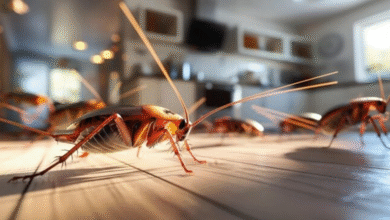
Cockroach control Adelaide kitchens and commercial spaces require depends on identifying which species has settled in. German cockroaches cluster near warmth and moisture, often behind fridges, ovens and dishwashers, while larger outdoor species tend to move in through gaps around doors and windows. Cupboards, floor drains and stored cardboard in a warehouse corner all provide shelter that a quick spray never reaches. Droppings, egg cases, unpleasant smells and sightings after dark suggest an established population rather than a passing visitor. Surface sprays only kill what they touch, so hidden harbourage behind appliances or inside wall cavities keeps a population going. Effective treatment pairs targeted product placement with cleaning routines, sealed food storage, tighter waste control and gap sealing around service penetrations, followed by monitoring to confirm the population has dropped. Cafés, restaurants and warehouse loading areas often need repeat visits before activity settles fully.
Why Inspection Findings Should Guide Pest Treatment
Treatment plans built around a single pest species or a generic checklist tend to miss what a property actually needs. Activity level, moisture readings, food access, entry points and construction type all shape which approach makes sense. A café with previous treatment history needs a different plan to a heritage home with an untreated subfloor. Reading inspection findings properly is part of how pest control Adelaide technicians decide where to focus effort first. Tom’s Pest Control Adelaide treats each property as a separate case rather than applying one standard routine across every job.
A Practical Property Checklist
Owners preparing for an inspection or treatment visit can address a few items beforehand.
- Repair leaking taps, pipes and drainage points around the property
- Store food and waste in closed containers, especially in kitchens
- Move cardboard and timber away from external and internal walls
- Keep slab edges and subfloor access points clear and reachable
- Record pest signs, including location and timing, before cleaning or repairs
Clearing access points and noting sightings beforehand helps a technician assess the property accurately and plan treatment around real conditions rather than guesswork.
When Repeated Activity Needs Attention
Cockroaches returning soon after a clean, droppings appearing in more than one room or mud tubes forming near new timber all suggest something has not been resolved. Moisture near foundations, damaged skirting boards or fresh activity following previous treatment point to shelter, access or dampness that still needs addressing. These patterns are worth acting on rather than treating as routine, since repeated signs usually mean an underlying condition remains in place.
A Pest Plan Built Around the Property
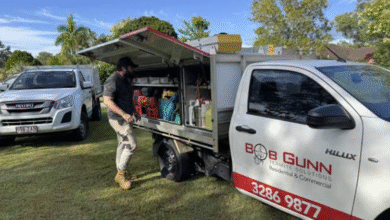
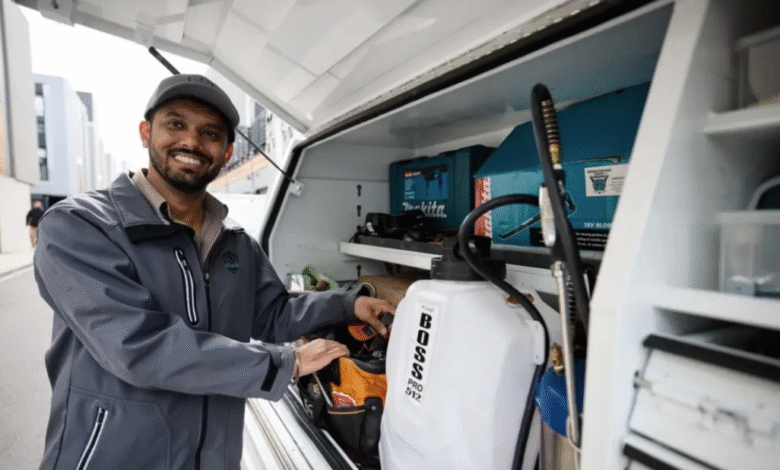
Tom’s Pest Control Adelaide works across residential homes, rental properties, property purchases, restaurants, strata buildings and warehouses, and each of these settings brings different access points and risks. Planning starts with the inspection findings, sets a clear scope for the work involved, and keeps treatment records so future visits build on what has already been done. Follow up advice reflects the property’s construction, history and current activity rather than a fixed routine applied everywhere.
Owners noticing droppings, mud tubes, damaged timber or activity that keeps returning should arrange an inspection before the underlying cause goes unchecked. Pest control Adelaide property owners can rely on works best when it responds to actual building access, current signs and any previous treatment history. Tom’s Pest Control Adelaide can assess what a property is showing and outline a plan based on those findings.