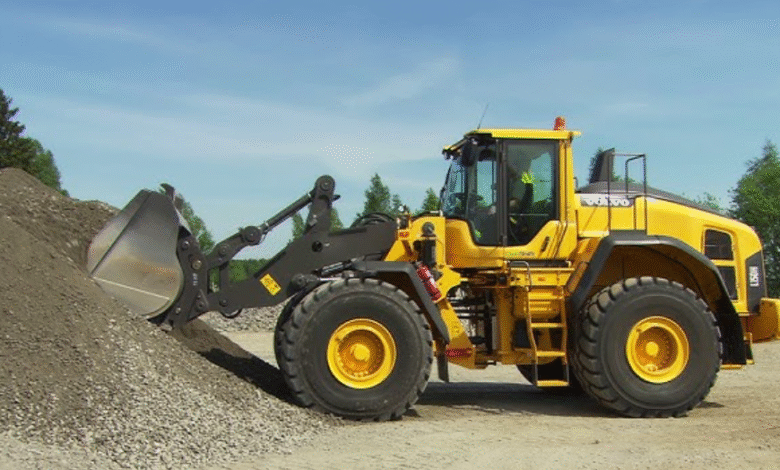
Busy construction sites demand speed, coordination, and efficiency to stay profitable. With project timelines growing tighter and labor shortages affecting many regions, contractors are increasingly searching for equipment that can take on more tasks with fewer workers. This is where a Volvo L110H wheel loader proves its value. Known for power, versatility, and reliability, a wheel loader can significantly reduce labor costs while improving workflow on demanding job sites. Understanding how this machine enhances productivity helps businesses make informed decisions about their fleet investments.
Handling Heavy Loads Faster Than Manual Labor
One of the most direct ways a wheel loader cuts labor costs is by dramatically reducing the workforce required to move materials. Tasks that once required several workers with hand tools can be completed by a single operator with a wheel loader. Whether loading gravel, transporting soil, or shifting debris, the machine handles heavy loads swiftly, eliminating the need for multiple laborers to perform repetitive and physically demanding jobs. This reduction in manual lifting not only saves time but also lowers the risk of injuries that could lead to downtime or compensation claims.
Improving Jobsite Workflow With Multi-Task Capability
A wheel loader is far more than a simple loading machine. With the right attachments, it becomes a multi-purpose tool capable of performing duties that would otherwise require separate teams or equipment. Attachments like forks, grapples, and brooms allow operators to switch tasks in minutes. On a busy site, this adaptability reduces the need to hire additional workers for specialized activities. Instead of coordinating multiple crews, one machine and one operator can handle diverse tasks, streamlining workflow and keeping the site running efficiently.
See also: How to Choose the Right Excavation & Construction Company
Minimizing Idle Time Through Quick Cycle Rates
Time wasted on waiting for materials is one of the biggest contributors to high labor costs. Wheel loaders help solve this problem with fast cycle times and strong breakout force, ensuring materials are moved precisely when needed. When crews don’t have to stand idle for supplies or debris removal, overall productivity rises. Quick cycle rates reduce bottlenecks, meaning work progresses smoothly throughout the day. Fewer delays translate into fewer paid hours lost to inactivity and a more predictable project schedule.
Reducing Labor Costs Through Fuel Efficiency And Operator Comfort
Modern wheel loaders are designed with efficiency in mind. Advanced engines consume less fuel, lowering operating costs without sacrificing performance. Fuel-efficient machines reduce the need for extra shifts simply to catch up on work lost to inefficient equipment. Many new models also include improved operator comfort features like ergonomic controls, better visibility, and smoother hydraulics. This comfort reduces operator fatigue, leading to fewer mistakes and greater output per shift. When operators can work longer, safer, and more effectively, it reduces the need for additional laborers to fill gaps or redo incomplete tasks.
Lowering Training And Supervision Requirements
Unlike some heavy machinery that requires extensive training, wheel loaders are relatively straightforward to learn. This ease of operation reduces the time and money needed to train new employees. It also allows companies to assign operators more flexibly, ensuring that equipment is never left unused due to a lack of skilled personnel. The simpler learning curve also reduces supervision needs, as operators can handle tasks confidently and independently, freeing supervisors to focus on broader jobsite management rather than constant oversight.
Supporting Material Handling Efficiency Across Multiple Industries
Wheel loaders are used not only in construction but also in agriculture, mining, landscaping, and recycling facilities because they provide consistent and dependable performance. On any busy site, the ability to move and load material quickly keeps operations on track. Their agility and mobility reduce the number of workers required for transporting materials from one area to another. Instead of assigning groups of workers to move items manually, a single machine does the majority of the work, saving substantial labor hours across a project.
Preventing Injury-Related Delays And Costs
Labor costs can surge when workers are injured, as sites must account for medical expenses, compensation, temporary replacements, and slower progress. A wheel loader reduces the physical burden on employees, allowing the machine to handle strenuous work while crews focus on tasks that require precision and skill. This shift not only promotes safety but also keeps labor expenses under control by decreasing the likelihood of injury-related disruptions.
Final Thoughts
A wheel loader is more than a piece of heavy machinery; it is a strategic investment that drives efficiency, productivity, and cost savings on busy sites. By reducing manual labor needs, improving workflow, minimizing downtime, and enhancing safety, the machine helps businesses manage rising labor costs without compromising quality or speed. For any company looking to optimize operations, integrating a wheel loader into its fleet is a practical and cost-effective solution.