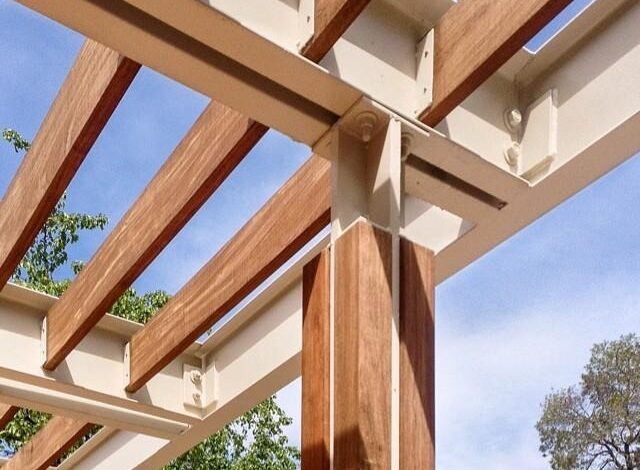
Home construction has entered a phase where efficiency, sustainability, and long-term performance are no longer optional—they are expected. Builders and homeowners are looking beyond basic materials and focusing on how each choice contributes to the overall success of a project. Among these choices, timber continues to stand out as a material that delivers consistent results across a wide range of applications.
Its adaptability and natural strength make it suitable for everything from structural frameworks to finishing details. As building practices evolve, timber remains at the center of projects that prioritize both functionality and thoughtful design. This enduring relevance is not accidental; it reflects a material that continues to meet modern demands while retaining its core advantages.
The Growing Importance of Timber in Construction
Timber’s role in construction has expanded significantly in recent years. While it has always been valued for its strength and workability, it is now also recognized for its contribution to sustainable building practices. As awareness of environmental impact grows, wood is increasingly seen as a responsible choice when sourced and used correctly.
Data from timber industry statistics and research highlights the ongoing demand for wood as a building material, reflecting its importance in both residential and commercial projects. This demand is driven not only by tradition but also by the material’s ability to meet modern performance standards.
By combining renewable sourcing with reliable structural properties, timber offers a balanced solution that aligns with current construction priorities. It supports projects that aim to be both efficient and environmentally conscious.
What Makes Timber Builds Stand Out
Efficiency from Start to Finish
One of the key advantages of timber is how it simplifies the construction process. Its relatively lightweight nature makes it easier to transport and handle, reducing the time and effort required on-site. Builders can work more efficiently, completing tasks with greater precision and fewer delays.
This efficiency extends beyond installation. Timber’s consistency allows for better planning and coordination, which helps minimize disruptions throughout the project. When materials perform as expected, the entire workflow becomes more predictable and manageable.
Flexibility for Custom Designs
Modern homes often require a level of customization that rigid materials struggle to accommodate. Timber’s flexibility makes it well-suited for projects where design plays a central role. It can be shaped and adjusted to fit unique layouts without compromising structural integrity.
This adaptability allows builders to respond to changing requirements without causing significant setbacks. Whether working on a new build or a renovation, timber supports creative solutions that align with both functional and aesthetic goals.
Working with Experienced Timber Builders
The success of any construction project depends not only on the materials used but also on the expertise behind them. Skilled professionals understand how to maximize timber’s potential, ensuring that each component is selected and applied correctly.
Collaborating with specialists involved in builds from Tar River Timber provides access to this level of experience. Their approach focuses on delivering reliable results while maintaining efficiency throughout the project. By aligning material selection with design and structural requirements, they help create builds that are both practical and well-executed.
This expertise is particularly valuable in projects that involve multiple phases or complex designs. With the right team in place, builders can navigate challenges more effectively and maintain a steady pace from start to finish.
The Rise of DIY-Friendly Building Materials
In addition to professional construction, there has been a noticeable increase in homeowners taking on their own building and renovation projects. This trend has led to a greater demand for materials that are easy to work with while still delivering reliable performance.
Timber fits naturally into this category. Its workability makes it accessible for those with varying levels of experience, allowing individuals to complete projects with confidence. For a closer look at how materials are shaping this trend, this discussion on DIY-friendly building materials explores the growing appeal of accessible construction solutions.
By offering both ease of use and dependable results, timber supports a wide range of projects, from small upgrades to more ambitious renovations.
Balancing Performance with Long-Term Value
Durability is a critical factor in any construction project. Materials must be able to withstand daily use while maintaining their structural integrity over time. Timber, when properly treated and installed, offers a level of resilience that supports long-term performance.
Environmental factors such as moisture and temperature changes must be managed carefully, but with the right approach, timber can remain stable for decades. This durability reduces the need for frequent repairs, contributing to lower maintenance costs and greater overall value.
Investing in quality materials and skilled workmanship ensures that timber continues to perform as intended. This combination of reliability and longevity is one of the reasons it remains a preferred choice for modern construction.
See also: Boosting Your Home’s Worth with Clever Secondary Spaces in NSW
Looking Ahead: Timber’s Role in Future Builds
The future of construction is shaped by innovation, sustainability, and efficiency. Timber aligns with all three, making it a material that is well-positioned for continued use in evolving building practices. Advances in engineered wood products are expanding its capabilities, allowing for more complex and ambitious designs.
At the same time, the focus on environmentally responsible construction is driving increased interest in renewable materials. Timber’s ability to meet these expectations ensures that it will remain a key component of future projects.
Builders who embrace these developments are finding new ways to enhance both performance and design. Timber’s adaptability ensures that it can continue to meet the changing needs of the industry while maintaining its core strengths.
Conclusion
Timber builds continue to define modern construction, offering a combination of efficiency, flexibility, and long-term value. Its ability to adapt to different project requirements makes it a reliable choice for both professionals and homeowners.
By focusing on quality materials, thoughtful planning, and experienced craftsmanship, builders can create homes that are both durable and visually engaging. Timber’s enduring relevance lies in its capacity to evolve while consistently delivering results that meet the demands of modern living.