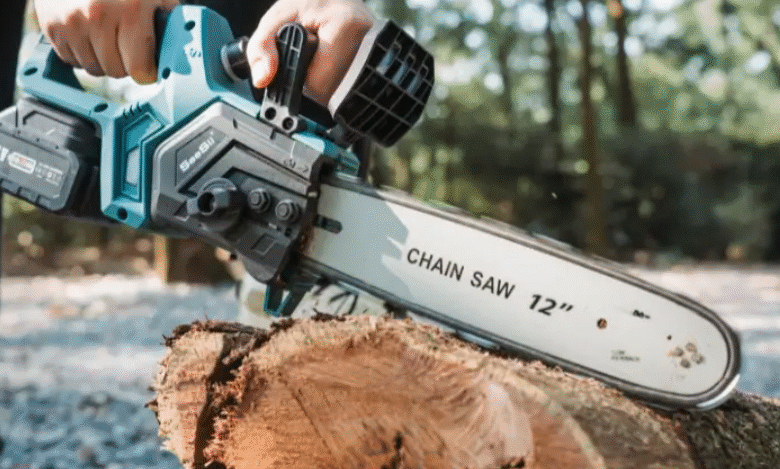
Choosing the right gas chainsaw size helps complete projects safely and efficiently. The size determines how well the tool can handle different types of wood, from small branches to large logs. A gas chainsaw with the right bar length and engine size matches the power needed for the job without adding unnecessary weight or strain.
A chainsaw that fits the user’s skill level and project type leads to smoother cutting and better results. Smaller models handle light yard work, while larger ones manage heavy-duty felling or firewood jobs. The key lies in balancing power, control, and comfort to avoid fatigue and maintain precision.
This guide explains the main factors that influence chainsaw size selection, compares features across models, and covers basic safety considerations. With the right knowledge, anyone can feel confident choosing a gas chainsaw suited to their specific projects.
Key Criteria for Selecting the Right Gas Chainsaw Size
Selecting an appropriate gas chainsaw size depends on the type of project, the wood being cut, the diameter of the trees, and the user’s level of experience. The proper chain length and engine displacement influence both performance and comfort during use.
Assessing Project Type and Cutting Tasks
Each project calls for a different chainsaw size and power level. Light yard work, such as pruning or cutting limbs, benefits from smaller models that offer greater control and less fatigue. Tools like 12 inch gas chainsaws for tree branches work well for trimming and light-duty cutting.
For medium projects such as clearing storm debris or preparing firewood, mid-size gas saws with 14 to 18-inch bars suit the task. They balance power and weight while handling both hardwood and softwood efficiently. Larger projects such as felling mature trees need a stronger chainsaw, often with a 20-inch or longer bar, to deliver deeper cuts in a single pass.
Matching the saw to the intended work reduces strain, extends tool life, and improves safety. A chainsaw that is too large or too powerful can make small jobs harder to control, while an undersized model can struggle or overheat during heavy cutting.
Determining Ideal Bar Length and Engine Displacement
Bar length defines how large a tree or piece of wood the user can cut through in one pass. A longer bar covers thicker logs, but it adds weight and requires more skill. For general home or farm use, bars in the 14 to 18-inch range often provide the best balance.
Engine displacement, measured in cubic centimeters (cc), determines how much fuel and air move through the engine. A saw rated at 30 to 45cc works well for light tasks, while one above 50cc suits cutting larger trees or frequent heavy work. The greater the displacement, the more power the saw can produce.
Ideal sizing of bar and engine displacement depends on both comfort and typical cutting conditions. Selecting a saw that matches the user’s physical ability helps maintain accuracy and endurance during long sessions.
Evaluating Tree Diameter and Wood Type
The diameter of the material being cut directly affects chainsaw size requirements. The common rule is that the bar should be about two inches longer than the tree’s diameter. For example, a 14-inch bar can manage trees around 12 inches thick.
Hardwoods such as oak or maple require more horsepower and torque than softwoods like pine or spruce. Gas saws with stronger engines maintain chain speed and prevent stalling during thicker, denser cuts. Softer materials allow the use of smaller or shorter-bar models without sacrificing efficiency.
Understanding how wood type and diameter interact allows users to predict how a saw will perform in real conditions. It also helps avoid the risk of overworking a small saw or carrying more weight than necessary.
Factoring in Frequency of Use and User Experience
Experience level strongly influences the best chainsaw choice. A beginner benefits from a lighter model with moderate power and fewer kickback risks. Larger saws with longer bars suit professionals or those who regularly cut large volumes of wood.
Frequency of use matters just as much as skill. Occasional yard users may value a model that starts easily and requires minimal upkeep. Regular cutters who harvest firewood or clear land may prefer stronger engines that hold up under frequent use.
The correct size chainsaw should align with both task frequency and the operator’s confidence. Matching these factors helps maintain steady performance, safety, and comfort during every cut.
See also: Innovative Plumbing Technologies and Trends
Comparing Chainsaw Sizes, Features, and Safety Considerations
Different gas chainsaw sizes serve different purposes depending on the type of wood, cutting depth, and user skill. The right chainsaw model must also include safety devices that prevent accidents and reduce strain on the body during long periods of work.
Small vs. Large Gas Chainsaws: Pros and Cons
A small chainsaw usually has a shorter guide bar between 12 and 16 inches and a lighter engine. It suits lighter work such as trimming branches or cutting small logs. The lightweight reduces arm fatigue and allows better control for less experienced users. However, its limited power sometimes struggles with thick or hardwood trunks.
A large chainsaw often has a bar length above 18 inches with more engine displacement. It cuts faster through large trees and dense wood, making it a better choice for heavy-duty outdoor tasks. Yet, the extra weight increases physical demand and requires better technique to stay safe and accurate.
Each size offers trade-offs. Small saws give precision and ease, while large saws deliver strength and speed. Choosing between them depends on project scale and how long the user can handle vibration and weight.
Cutting Performance for Specific Projects
Chainsaw performance depends on power output, bar length, and chain sharpness. A shorter bar works well for pruning and small firewood jobs because it provides balance and quicker control. Longer bars reach deep into thicker trees and make fewer passes per cut, but demand more strength to guide.
For frequent tasks like yard cleanup, a mid-size gas model around 16–18 inches often balances maneuverability with cutting capacity. Heavy-duty work, such as felling large hardwood trees, benefits from 20–24 inches of bar length and stronger torque. Proper chain tension also affects performance, since a loose chain can slip or overheat.
Users should match saw size to the typical wood diameter rather than general power claims. The right combination reduces engine wear and helps complete cuts efficiently without overloading the motor.
Important Safety Features for Gas Chainsaws
Safe chainsaw use depends on both skill and built-in protections. Key safety parts include a chain brake, chain catcher, throttle lockout, and hand guard. Each prevents different hazards during operation.
The chain brake stops the chain instantly if kickback occurs. A chain catcher protects the user if the chain breaks or derails. The throttle lockout guarantees that the throttle cannot engage by accident. A hand guard shields the operator’s hands from flying debris.
An anti-vibration system lowers stress on wrists and arms during long sessions. Reduced vibration helps maintain control, especially with larger chainsaws. Regular inspection of these parts and proper chain tension keeps the saw safe and steady through every cut.
Conclusion
Selecting the right gas chainsaw size depends on the type of cutting work, the material size, and the user’s skill level. A smaller saw suits light pruning or trimming, while a mid-range bar of 14–18 inches handles general property work. Larger saws above 20 inches fit heavy tasks like felling large trees.
Safety, weight, and comfort must guide every choice. A saw that matches the user’s strength and task reduces fatigue and improves control. Power should meet the project’s needs but not exceed what the operator can manage confidently.
Regular checks on the chain, bar, and oil system keep a gas chainsaw efficient and safe. With the right setup, users can complete each project more effectively and maintain long-term tool performance.